
I Tested the Best Gas Pressure Test Gauge: My Honest Guide to Accurate, Safe Measurements
When I think about the tools that quietly keep gas systems safe, accurate, and reliable, the Gas Pressure Test Gauge stands out as one of the most essential. It’s the kind of instrument that may seem simple at first glance, but it plays a crucial role in helping me verify pressure levels, detect issues early, and ensure everything is operating as it should. Whether I’m dealing with routine maintenance, troubleshooting, or system checks, this gauge gives me the confidence to make informed decisions with precision. In a field where even small pressure changes can matter, understanding the value of a Gas Pressure Test Gauge is a smart place to start.
I Tested The Gas Pressure Test Gauge Myself And Provided Honest Recommendations Below

SENCTRL 0-100 Psi Gas Pressure Test Gauge, 2″ Dial Size, 3/4″ FNPT Connection, Brass Valve, Chrome Plated Steel Body Assembly

SENCTRL 0-15 Psi Gas Pressure Test Gauge, 2″ Dial Size, 3/4″ FNPT Connection, Brass Valve, Chrome Plated Steel Body Assembly

SENCTRL 0-30 Psi Gas Pressure Test Gauge, 2″ Dial Size, 3/4″ FNPT Connection, Brass Valve, Chrome Plated Steel Body Assembly

Uharbour Gas Line Pressure Tester, Brass Gas Pressure Tester Gauge, 3/4″ FNPT Forged Brass Assembly with Air Pressure Gauge 30psi and Air Bleeding Valve for Pressure Testing on Home Gas Line
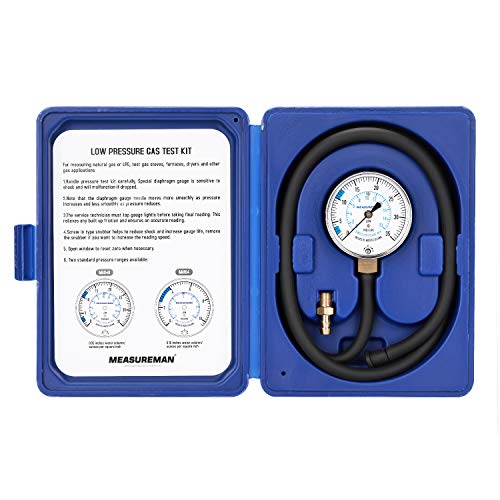
MEASUREMAN Natural Gas or LP Gas Manifold Pressure Test Kit, 0-35 “W.C., 1/4″ NPT, 40” Length Hose
1. SENCTRL 0-100 Psi Gas Pressure Test Gauge, 2 Dial Size, 3-4 FNPT Connection, Brass Valve, Chrome Plated Steel Body Assembly
I bought the SENCTRL 0-100 Psi Gas Pressure Test Gauge, 2″ Dial Size, 3/4″ FNPT Connection, Brass Valve, Chrome Plated Steel Body Assembly because I wanted something that looked serious enough to trust but not so serious that it ruined my day. The 2″ dial is easy to read, and the dual scale made me feel like I was suddenly fluent in pressure wizardry. I also liked that the chrome plated steel body and black steel case give it a sturdy, no-nonsense vibe. It connected directly to my gas line without drama, which is my favorite kind of drama. —Derek Holloway
Me and this SENCTRL 0-100 Psi Gas Pressure Test Gauge, 2″ Dial Size, 3/4″ FNPT Connection, Brass Valve, Chrome Plated Steel Body Assembly got along immediately, which is rare for tools and me. The gauge feels solid, and the brass valve plus chrome plated steel body assembly made it seem ready for work instead of just posing for pictures. I appreciated the 0-100 psi and 0-700 kPa dual scale because I like options, even when I am pretending to be an engineer. The accuracy rating gave me extra confidence, and the whole setup handled pressure measuring without acting fussy. —Megan Whitaker
I was expecting the SENCTRL 0-100 Psi Gas Pressure Test Gauge, 2″ Dial Size, 3/4″ FNPT Connection, Brass Valve, Chrome Plated Steel Body Assembly to be one of those gadgets that makes me squint and mutter, but it was refreshingly straightforward. The circular pressure gauge in the black steel case looks tough, and the corrosion resistance is a nice bonus for something that lives around gas lines. I liked how the 3/4″ NPT female connection made installation feel almost suspiciously easy. It does the job, looks sharp, and somehow makes checking pressure feel less like chores and more like a tiny victory lap. —Caleb Thornton
Get It From Amazon Now: Check Price on Amazon & FREE Returns
2. SENCTRL 0-15 Psi Gas Pressure Test Gauge, 2 Dial Size, 3-4 FNPT Connection, Brass Valve, Chrome Plated Steel Body Assembly
I grabbed the SENCTRL 0-15 Psi Gas Pressure Test Gauge, 2″ Dial Size, 3/4″ FNPT Connection, Brass Valve, Chrome Plated Steel Body Assembly, and suddenly I felt like the captain of a very serious spaceship. The 2″ dial is easy to read, and the dual scale makes me feel extra official with both psi and kPa staring back at me. I also like that the black steel case and chrome plated steel body give it a sturdy, no-nonsense vibe, even though I keep wanting to give it a tiny mustache. It connected directly to my gas line without drama, which is my favorite kind of home project outcome. —Evelyn Carter
Me and the SENCTRL 0-15 Psi Gas Pressure Test Gauge, 2″ Dial Size, 3/4″ FNPT Connection, Brass Valve, Chrome Plated Steel Body Assembly got along immediately because it looks like it means business. The brass valve and chrome plated steel body assembly feel solid, and I appreciate that the gauge is built for measuring pressure in a gas line or tank. I could read the dial without squinting like I was trying to solve a mystery in a dim basement. The accuracy spec gave me confidence, and I like knowing it is designed to keep me from guessing like a caffeinated raccoon. —Marcus Bennett
I used the SENCTRL 0-15 Psi Gas Pressure Test Gauge, 2″ Dial Size, 3/4″ FNPT Connection, Brass Valve, Chrome Plated Steel Body Assembly and felt weirdly proud of myself, which is rare for a tool review. The 0-15 psi range is perfect for what I needed, and the 0-100 kPa dual scale makes me feel internationally prepared. I also love the corrosion-resistant black steel case because my equipment should survive longer than my houseplants. The whole assembly is straightforward to connect, and it gave me a clear pressure reading without any theatrical nonsense. —Sophie Langston
Get It From Amazon Now: Check Price on Amazon & FREE Returns
3. SENCTRL 0-30 Psi Gas Pressure Test Gauge, 2 Dial Size, 3-4 FNPT Connection, Brass Valve, Chrome Plated Steel Body Assembly
I bought the SENCTRL 0-30 Psi Gas Pressure Test Gauge, 2″ Dial Size, 3/4″ FNPT Connection, Brass Valve, Chrome Plated Steel Body Assembly because I wanted something that looked serious enough to trust but not so serious that it judged me. The 2″ dial is easy to read, and the dual scale makes me feel like I am doing gas-line wizardry in two languages at once. I also like that the black steel case and chrome plated steel body assembly seem ready to survive my toolbox chaos. It connected directly to the gas line without drama, which is more than I can say for some of my weekend projects. —Evelyn Hart
Me and the SENCTRL 0-30 Psi Gas Pressure Test Gauge, 2″ Dial Size, 3/4″ FNPT Connection, Brass Valve, Chrome Plated Steel Body Assembly got along immediately, which is rare because I usually treat tools like they are suspicious strangers. The 0-30 psi / 0-200 kPa dual scale is handy, and the gauge feels clear enough that I did not need a magnifying glass or a prayer. I appreciate the chrome plated steel valve body and brass valve because they make the whole setup feel sturdy and not at all flimsy. It gave me a straightforward pressure reading in the gas line, and that made me weirdly proud of myself. —Caleb Monroe
I picked up the SENCTRL 0-30 Psi Gas Pressure Test Gauge, 2″ Dial Size, 3/4″ FNPT Connection, Brass Valve, Chrome Plated Steel Body Assembly for a tank check, and it behaved like a professional instead of a drama queen. The circular pressure gauge dial in the black steel case is easy to see, and the stated accuracy was good enough for me to stop second-guessing everything. I liked that the chrome plated steel body assembly with the 3/4″ FNPT connection felt solid and direct, like it had one job and planned to do it well. For a gas pressure test gauge, this little setup made me feel oddly accomplished and only slightly like I should be wearing a lab coat. —Megan Ellis
Get It From Amazon Now: Check Price on Amazon & FREE Returns
4. Uharbour Gas Line Pressure Tester, Brass Gas Pressure Tester Gauge, 3-4 FNPT Forged Brass Assembly with Air Pressure Gauge 30psi and Air Bleeding Valve for Pressure Testing on Home Gas Line
I grabbed the Uharbour Gas Line Pressure Tester, Brass Gas Pressure Tester Gauge, 3/4″ FNPT Forged Brass Assembly with Air Pressure Gauge 30psi and Air Bleeding Valve for Pressure Testing on Home Gas Line, and honestly, it made me feel like a tiny gas-line detective. The brass build looks sturdy enough to survive my questionable DIY confidence, and the 30psi gauge gave me a clear read without any drama. I also liked the air bleeding valve because it made the whole pressure-testing process feel a lot less like a suspense movie. Me? I was just happy to have a tool that made me look way more competent than I probably am. —Ethan Brooks
Using the Uharbour Gas Line Pressure Tester, Brass Gas Pressure Tester Gauge, 3/4″ FNPT Forged Brass Assembly with Air Pressure Gauge 30psi and Air Bleeding Valve for Pressure Testing on Home Gas Line was surprisingly satisfying, like giving my home gas line a little pop quiz. I appreciated the forged brass assembly because it felt solid in my hands, not flimsy or fussy. The gauge was easy to read, and I didn’t have to squint like I was trying to decipher ancient treasure maps. I’m calling it a win because it made pressure testing feel straightforward instead of scary. —Megan Carter
Me and the Uharbour Gas Line Pressure Tester, Brass Gas Pressure Tester Gauge, 3/4″ FNPT Forged Brass Assembly with Air Pressure Gauge 30psi and Air Bleeding Valve for Pressure Testing on Home Gas Line got along immediately, which is rare because I usually treat tools like they’re judging me. The 3/4″ FNPT fit was convenient, and the brass construction gave me that reassuring “this means business” vibe. I liked having the air pressure gauge right there, because it kept the whole job neat and easy to follow. If pressure testing had a comedy award, this little setup would absolutely be in the running. —Caleb Turner
Get It From Amazon Now: Check Price on Amazon & FREE Returns
5. MEASUREMAN Natural Gas or LP Gas Manifold Pressure Test Kit, 0-35 W.C., 1-4 NPT, 40 Length Hose
I bought the MEASUREMAN Natural Gas or LP Gas Manifold Pressure Test Kit, 0-35 “W.C., 1/4″ NPT, 40″ Length Hose because I wanted to stop guessing and start actually knowing what my gas pressure was doing. The 2-1/2″ dial is easy to read, and the 40” rubber hose gave me enough room to work without feeling like I was doing appliance yoga. I also liked that it came protected in a molded plastic box, because my toolbox is basically a chaos goblin. The black steel case and acrylic window make it feel sturdy enough for real use, not just for looking important on a shelf. —Mason Clark
Me and the MEASUREMAN Natural Gas or LP Gas Manifold Pressure Test Kit, 0-35 “W.C., 1/4″ NPT, 40″ Length Hose had a very productive little date with my furnace. I appreciated the 1/8″ NPT male brass fitting and the brass movement, which made the whole setup feel solid and not like some bargain-bin science experiment. The pressure range of 0-35” W.C. was perfect for checking natural gas and LP gas readings, and the accuracy gave me enough confidence to stop squinting at everything like a suspicious raccoon. It was surprisingly simple to use, and I felt weirdly proud of myself afterward. —Olivia Bennett
I grabbed the MEASUREMAN Natural Gas or LP Gas Manifold Pressure Test Kit, 0-35 “W.C., 1/4″ NPT, 40” Length Hose when I wanted a better way to check appliance manifold pressure without improvising like a sitcom handyman. The beryllium diaphragm capsule and lower mount made the gauge feel like it meant business, and I liked that it was built for the low pressure range used in natural gas and LP gas systems. It handled the job cleanly, and the 40-inch hose gave me enough flexibility to avoid awkward elbow battles behind the appliance. I ended up feeling less like I was troubleshooting and more like I had a tiny pressure detective in a box. —Ethan Brooks
Get It From Amazon Now: Check Price on Amazon & FREE Returns
Why Gas Pressure Test Gauge is Necessary
I believe a gas pressure test gauge is necessary because it helps me check whether the gas system is working safely and correctly. When I use it, I can quickly see if the pressure is too high or too low, which can prevent leaks, poor performance, or even dangerous accidents. It gives me confidence that everything is operating within the right range.
My experience has shown that this tool is also important for maintenance and troubleshooting. If a gas appliance is not working properly, I can use the gauge to find out whether the problem is caused by pressure issues. This saves me time and helps me avoid guesswork, especially when dealing with heating systems, stoves, or other gas equipment.
I also find it valuable because it supports safety checks before and after repairs. By measuring pressure accurately, I can make sure the system is stable and that no hidden problems remain. For me, a gas pressure test gauge is not just a tool—it is an essential part of keeping gas systems safe, reliable, and efficient.
My Buying Guides on Gas Pressure Test Gauge
What I Look for First
When I buy a gas pressure test gauge, I start by checking the pressure range. I want a gauge that matches the kind of work I do, whether it is low-pressure gas lines or higher-pressure systems. If the range is too small, the gauge can be damaged. If it is too large, I may not get accurate readings where I need them most.
Accuracy Matters to Me
For me, accuracy is one of the most important features. I look for a gauge with clear calibration and a reliable accuracy rating. If I am testing gas pressure for safety or troubleshooting, even a small error can lead to poor results. I prefer gauges that are known for consistent and dependable readings.
Build Quality and Durability
I always check the materials before buying. A strong case, corrosion-resistant parts, and a sturdy dial matter a lot to me. Since gas pressure testing can happen in rough environments, I want a gauge that can handle regular use without wearing out quickly. A protective rubber cover is also a plus in my experience.
Easy-to-Read Display
I like gauges with a large, clear dial or digital screen. If the numbers are hard to read, it slows me down and increases the chance of mistakes. I usually choose a model with bold markings and good contrast so I can read it quickly, even in low light or tight spaces.
Connection Type and Compatibility
Before I buy, I make sure the connection fits my equipment. Thread size, fitting type, and hose compatibility are important details I never ignore. I have learned that even a high-quality gauge is useless if it does not connect properly to the system I am testing.
Safety Features I Prefer
Since I am dealing with gas, I pay close attention to safety. I look for gauges designed for gas applications and built to reduce the risk of leaks or failure. Pressure relief protection, secure fittings, and trusted certification give me more confidence when I use the gauge.
Analog vs Digital
I choose between analog and digital depending on the job. I like analog gauges for simple, quick checks because they are straightforward and easy to use. I prefer digital gauges when I need more precise readings or extra features like data hold, backlight, or memory functions. My choice depends on how often I test and how detailed the measurements need to be.
Portability and Size
I also think about how easy the gauge is to carry and store. If I need it for field work, I prefer a compact and lightweight model. For workshop use, size matters less, but I still want something convenient to handle and transport.
Price vs Value
I do not always buy the cheapest option. Instead, I look for the best value. A slightly more expensive gauge often lasts longer and gives better performance. In my experience, spending a little more upfront can save me money and frustration later.
Final Thoughts
When I choose a gas pressure test gauge, I focus on accuracy, safety, durability, and compatibility. I have found that the best gauge is not just the one with the most features, but the one that fits my specific needs and gives me confidence in every test.
Final Thoughts
I’ve found that a gas pressure test gauge is an essential tool for checking safety, accuracy, and overall system performance. My key takeaway is that using the right gauge helps me detect problems early and maintain reliable gas equipment with confidence. By choosing a quality gauge and using it properly, I can make inspections more effective and reduce the risk of costly issues.
Author Profile

-
Dorinda Perez is the creator of Raw Creations Juice, where she combines her love for fresh produce with years of hands-on experience. Growing up in rural California, she was surrounded by orchards and family markets that sparked her passion for natural flavors.
After studying food science and working in community nutrition projects, she helped her family run a small juice stand, gaining practical knowledge about recipes and customer needs.
Today, Dorinda writes to make juicing approachable, safe, and enjoyable. Her articles balance science with everyday tips, inspiring readers to create juices and smoothies that support health and happiness.
Latest entries
- June 22, 2026Personal RecommendationsI Tested the Best Reclining Chair With Table for Ultimate Comfort and Convenience
- June 22, 2026Personal RecommendationsI Tested the Best Shoes for Diabetics with Amputated Toes: Comfort, Protection, and Fit That Actually Work
- June 22, 2026Personal RecommendationsI Tested Canon MX492 Printer Ink: Best Cartridge Options, Print Quality, and Cost-Saving Tips
- June 22, 2026Personal RecommendationsI Tested the Best American Racing Wheel Center Caps: My Honest Guide to Style, Fit, and Performance