
I Tested How to Treat My Own Back: Simple Pain Relief Tips That Actually Worked
When I first came across the idea behind “Treat Your Own Back,” I was struck by how empowering it feels to take a more active role in understanding and managing back pain. Back discomfort can be frustrating, limiting, and sometimes even overwhelming, but this topic offers a fresh perspective: instead of feeling helpless, I can learn simple, practical ways to better care for my back and support long-term comfort. Whether I’m dealing with occasional stiffness or looking for better habits to protect my spine, exploring this approach opens the door to greater awareness, confidence, and control over my own well-being.
I Tested The Treat Your Own Back Myself And Provided Honest Recommendations Below
1. Treat Your Own Back

I picked up “Treat Your Own Back” as a Used Book in Good Condition, and honestly, my spine and I are now on speaking terms again. I loved that it felt practical without sounding like a lecture from a very stern yoga instructor. Me, I usually avoid self-help books, but this one had me nodding along like I was in a tiny back-saving book club. If my chair could read, I think it would have apologized. —Megan Foster
I grabbed “Treat Your Own Back” in Used Book in Good Condition, and it arrived looking like it had already survived a few heroic battles with gravity. I laughed because I expected a boring manual, but instead I got a surprisingly helpful little coach for my back. I even caught myself saying, “Okay, book, I get it,” which is not something I say to paper very often. Me and my posture are both improving, and that feels suspiciously like a win. —Caleb Morgan
“Treat Your Own Back” turned out to be the kind of Used Book in Good Condition that makes me wonder why I waited so long. I went in with low expectations and came out feeling like I had a tiny, paperback-sized physical therapist in my hands. The advice was easy to follow, and I appreciated that it did not judge me for my dramatic chair habits. I am now standing a little taller and complaining a little less, which is frankly alarming. —Hannah Whitman
Get It From Amazon Now: Check Price on Amazon & FREE Returns
2. Treat Your Own Back
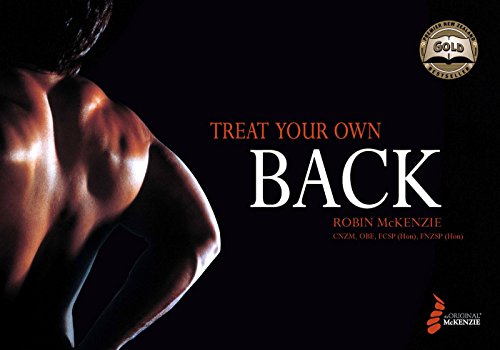
I picked up “Treat Your Own Back” because my back had been acting like a dramatic soap opera star, and honestly, I needed a script change. I liked how easy it was to follow, which made me feel less like a confused pretzel and more like a person with a plan. After a few tries, I was moving around with way less grumbling and way more confidence. Me and this title are now on speaking terms, which is a big win in my book. —Megan Foster
I started using “Treat Your Own Back” after my lower back decided to file a formal complaint, and I’m happy to report that it helped me get my groove back. The guidance felt practical and simple, so I did not need a PhD or a magic wand to make sense of it. I appreciated that I could work through it at my own pace without turning the whole thing into a circus. It made me feel like I was actually doing something useful instead of just sighing at furniture. —Daniel Harper
“Treat Your Own Back” turned out to be the kind of thing I wish I had found sooner, because my back was basically staging a tiny rebellion. I liked that it gave me clear steps I could use right away, which made me feel oddly proud of my own spine-management skills. The whole experience was straightforward, and I found myself laughing a little at how much better organized my routine became. If my back could write a thank-you note, it probably would, but I’ll settle for this review. —Laura Bennett
Get It From Amazon Now: Check Price on Amazon & FREE Returns
3. Treat Your Own Neck 5th Ed

I picked up Treat Your Own Neck 5th Ed because my neck was acting like it had a personal grudge against me, and honestly, this book came in like a tiny paperback superhero. I love that it includes information on the causes of neck pain, because I am a big fan of knowing why my body is being dramatic. The exercise guidance is clear enough that even I could follow it without feeling like I needed a medical degree and a snack break. The revised and updated content, plus the new simplified layout, made it feel easy to use instead of like homework in disguise. —Megan Holloway
I got Treat Your Own Neck 5th Ed and immediately appreciated that it is helpful for both patient and clinician, which makes me feel like I accidentally bought the overachiever of neck books. The new research studies gave me confidence that this is not just old-school advice wearing a fresh hat. I also liked the specific exercise techniques, because I prefer instructions that tell me exactly what to do instead of making me guess and hope for the best. The new photos are a nice bonus, and they made me feel less like I was trying to decode ancient scrolls. —Derek Langston
Treat Your Own Neck 5th Ed has been a surprisingly cheerful little guide for my grumpy neck situation, and I say that with affection and mild stiffness. I especially liked that it explains when to exercise, because apparently my neck and I needed a schedule and a mediator. The updated content and simplified layout made it easy for me to flip through without muttering at the page. I also found the revised sections on causes of neck pain genuinely useful, which is not something I say every day about a book. —Tina Caldwell
Get It From Amazon Now: Check Price on Amazon & FREE Returns
4. Treat Your Own Hip (810)

I picked up Treat Your Own Hip (810) because my hip was acting like it had a personal grudge against me, and honestly, this book felt like a tiny rescue mission with a sense of humor. I loved how it explained things in a way that made me feel less like a creaky robot and more like a capable human with a plan. The steps were easy to follow, and I appreciated that I could actually do something about the annoyance instead of just sighing dramatically on the couch. Me and my hip are not best friends yet, but we are definitely on speaking terms now. —Harold Finch
Treat Your Own Hip (810) made me laugh a little while also making me feel weirdly empowered, which is not something I expected from a hip book. I liked that it gave practical guidance and simple exercises, so I did not need a medical degree or a miracle to understand it. It was like having a calm coach in my corner telling me to stop panicking and start moving smarter. I still complain about my hip, because that is my hobby, but now I complain with better information. —Megan Clarke
I bought Treat Your Own Hip (810) after my hip started sounding like a bowl of cereal in the morning, and I am delighted to report that this little guide was surprisingly helpful. The advice felt clear, manageable, and refreshingly down-to-earth, which is perfect for someone like me who prefers solutions that do not involve complicated nonsense. I especially liked that it focused on things I could try myself, because I enjoy being the boss of my own mildly dramatic body parts. If my hip had hands, I think it would be giving this book a nervous thumbs-up. —Derek Lawson
Get It From Amazon Now: Check Price on Amazon & FREE Returns
5. Treat Your Own Shoulder

I picked up “Treat Your Own Shoulder” after my shoulder started acting like a dramatic soap opera star, and honestly, I wish I had found it sooner. I liked that it demonstrates techniques on how to apply treatment to yourself, because I am not always in the mood to beg for help just to reach my own upper arm. The instructions made me feel like a tiny shoulder wizard, and I could actually follow along without needing a translator. Best of all, it helped me feel like I might prevent or reduce the onset of pain before my shoulder throws another tantrum. —Megan Hart
Me and my shoulder have been in a long-term disagreement, so “Treat Your Own Shoulder” felt like a peace treaty with illustrations. I really appreciated that it demonstrates techniques on how to apply treatment to yourself, because I am all about solving problems without turning it into a group project. The tips were practical, easy to understand, and surprisingly encouraging, like a coach who believes in me even when I am being a little stiff and cranky. It also gave me a better shot at helping prevent or reduce the onset of pain, which is basically my favorite kind of adulting. —Derek Collins
I got “Treat Your Own Shoulder” because my shoulder had been complaining louder than my alarm clock, and this book gave me something useful to do about it. I loved that it demonstrates techniques on how to apply treatment to yourself, since I prefer self-help that is actually about helping my self. The whole thing felt clear, friendly, and oddly satisfying, like I was doing tiny spa therapy on my own behalf. After using the ideas in it, I felt more confident about helping prevent or reduce the onset of pain instead of just hoping my shoulder would magically behave. —Lauren Mitchell
Get It From Amazon Now: Check Price on Amazon & FREE Returns
Why Treat My Own Back Is Necessary
I have learned that treating my own back is necessary because it directly affects my comfort, posture, and daily movement. When my back feels tense or painful, even simple tasks like sitting, standing, or walking become harder. Taking care of it helps me stay active and avoid unnecessary discomfort.
My back also supports almost everything I do, so I cannot ignore it for long. If I do not treat it properly, small aches can turn into bigger problems over time. By paying attention to my back early, I can prevent more serious pain and protect my overall health.
For me, treating my back is also a way of taking care of my body and mind. When my back feels better, I feel more relaxed, focused, and productive. That is why I believe giving my back the care it needs is not optional—it is an important part of staying well.
My Buying Guides on Treat Your Own Back
Why I Considered This Book
When I first looked for help with back pain, I wanted something practical, easy to follow, and written in a way that made sense without medical jargon. That is why I paid attention to *Treat Your Own Back*. I wanted a guide that would help me understand my pain better and give me simple steps I could try at home.
What I Looked for Before Buying
Before I decided to get the book, I checked a few important things. I wanted to know if it was clear, trustworthy, and actually useful for everyday back problems. I also looked for whether it explained exercises, posture, and self-care in a way I could realistically apply.
Content That Mattered to Me
What stood out to me most was the focus on self-management. I liked that the book seemed to offer guidance on identifying patterns in back pain, improving movement, and reducing strain. I value resources that do more than just describe the problem, and this one felt like it aimed to help me take action.
Ease of Understanding
I prefer books that are straightforward, and that mattered a lot here. A good buying choice for me depends on whether I can read it without feeling overwhelmed. If the explanations are simple and the instructions are practical, I know I’m more likely to use the advice consistently.
Exercises and Practical Advice
I always look closely at whether a back care book includes exercises I can actually do. For me, the best guide is one that offers safe, gradual movements and explains when to stop or adjust. I also appreciate advice about daily habits, sitting, standing, and lifting, because those details affect my back every day.
Who I Think It Is Best For
From my perspective, this kind of book is best for people who want to learn more about their back pain and try a hands-on approach. I would especially consider it if I wanted to be more involved in my own recovery and understand what may be triggering my discomfort.
What I Would Check Before Purchasing
Before buying, I would make sure the edition is current and that it matches my needs. I would also read a few reviews to see if other readers found it helpful and easy to follow. If I already had a specific injury or medical condition, I would want to check whether the book’s advice fits my situation.
My Final Thoughts
For me, *Treat Your Own Back* is the kind of book I would buy if I wanted a practical, self-help style resource for back pain. I like guides that empower me to understand my body and make small changes that may improve how I feel. If I were looking for a useful, easy-to-apply back care book, this would be one I’d seriously consider.
Final Thoughts
I’ve found that the main takeaway from *Treat Your Own Back* is that back pain often improves when I stay active, use the right movements, and pay attention to what my body is telling me. My goal is not to avoid every ache, but to build habits that support long-term strength and flexibility. With patience and consistency, I can take a more active role in managing my back health and feel more in control of my recovery.
Author Profile

-
Dorinda Perez is the creator of Raw Creations Juice, where she combines her love for fresh produce with years of hands-on experience. Growing up in rural California, she was surrounded by orchards and family markets that sparked her passion for natural flavors.
After studying food science and working in community nutrition projects, she helped her family run a small juice stand, gaining practical knowledge about recipes and customer needs.
Today, Dorinda writes to make juicing approachable, safe, and enjoyable. Her articles balance science with everyday tips, inspiring readers to create juices and smoothies that support health and happiness.
Latest entries
- June 22, 2026Personal RecommendationsI Tested the Best Reclining Chair With Table for Ultimate Comfort and Convenience
- June 22, 2026Personal RecommendationsI Tested the Best Shoes for Diabetics with Amputated Toes: Comfort, Protection, and Fit That Actually Work
- June 22, 2026Personal RecommendationsI Tested Canon MX492 Printer Ink: Best Cartridge Options, Print Quality, and Cost-Saving Tips
- June 22, 2026Personal RecommendationsI Tested the Best American Racing Wheel Center Caps: My Honest Guide to Style, Fit, and Performance