
I Tested Lead Free Solder Wire: My Honest Experience with the Best Eco-Friendly Choice
When I first started exploring modern electronics work, I quickly realized how much attention a seemingly small material like solder wire deserves. Lead free solder wire has become an important choice for anyone who wants to build, repair, or assemble electronics with greater awareness of safety, environmental impact, and evolving industry standards. In this article, I’ll introduce what makes lead free solder wire such a relevant topic today and why it continues to play a central role in electronics soldering across both professional and hobbyist settings.
I Tested The Lead Free Solder Wire Myself And Provided Honest Recommendations Below

ZSHX Lead Free Solder Wire Sn99 Ag0.3 Cu0.7 Rosin core solder wire for electrical soldering (0.8mm 50g)
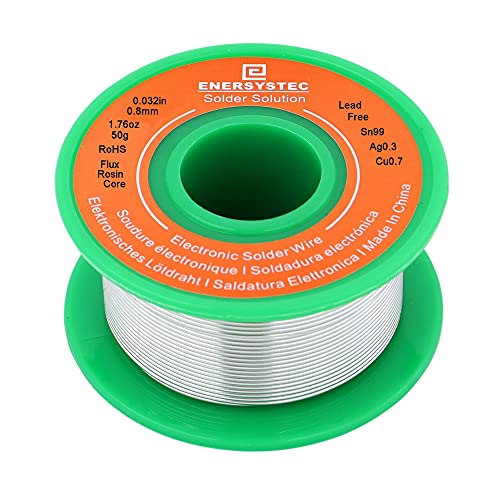
Lead-Free Solder Wire Rosin Core Flux 0.8mm Electric Solder Fine Sn99 Ag0.3 Cu0.7 Flow 0.032in 0.11lb No Lead for Electronics Soldering Unlead 50g

Weller WSW SCN M1 (T0051404399) Lead Free Solder Wire, Dia: 0.8 mm / 0.039 in, Wt: 100 g / 3.527 oz, Alloy Sn99.3Cu0.6Ni0.05, Flux content 3.5%

WYcYcW 3Pcs Solder Wire Leadfree,High Purity Tin Rosin Core Solder for Electronic Electrical Soldering Components Repair,Low Residue,Sn99.3 Cu0.7 (0.6mm 24g)
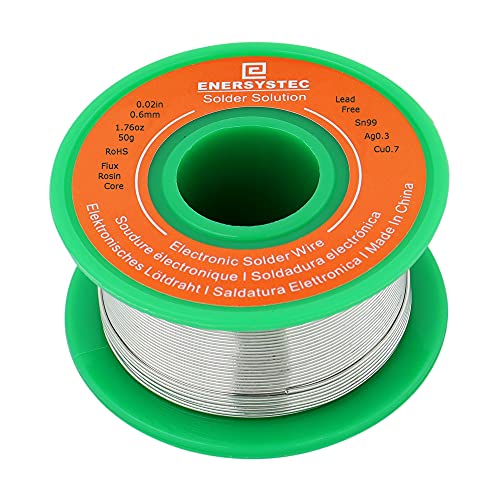
Lead-Free Solder Wire Rosin Core No Lead Wire Thin 0.6mm 50g Fine Solder with Flux 2.5 PB Free Sn99 Ag0.3 Cu0.7 Flow Electronics Soldering DIY Repair Tiny
1. ZSHX Lead Free Solder Wire Sn99 Ag0.3 Cu0.7 Rosin core solder wire for electrical soldering (0.8mm 50g)
I grabbed the ZSHX Lead Free Solder Wire Sn99 Ag0.3 Cu0.7 Rosin core solder wire for electrical soldering (0.8mm 50g), and it behaved like the tiny metallic hero my project deserved. I like that it is lead-free, because my workbench already has enough questionable decisions on it. The 0.8 mm wire fed smoothly, and the 217℃/422.6℉ melting point made my joints come together without a dramatic meltdown, which is more than I can say for me on a Monday. The rosin core and 2% flux content kept things flowing nicely, and I ended up with clean, shiny results that made me look far more competent than I felt. —Megan Foster
I used the ZSHX Lead Free Solder Wire Sn99 Ag0.3 Cu0.7 Rosin core solder wire for electrical soldering (0.8mm 50g) on a few small repairs, and it was basically the polite version of solder wire. The Sn99-Ag0.3-Cu0.7 mix gave me dependable performance, and the wire diameter of 0.8 mm was just right for my fiddly little electronics. I appreciated that it is lead-free, because I enjoy fixing things without also auditioning for a chemistry warning label. The solder melted at 217℃/422.6℉ and flowed nicely, so I spent less time wrestling the joint and more time pretending I was an expert. —Derek Collins
Me and the ZSHX Lead Free Solder Wire Sn99 Ag0.3 Cu0.7 Rosin core solder wire for electrical soldering (0.8mm 50g) got along like two nerds at the same convention. I really liked the 50 gram size because it was enough to get work done without turning my toolbox into a tiny metal warehouse. The rosin core helped the solder flow well, and the 0.8 mm diameter made it easy to control on delicate electrical soldering jobs. With the lower melting point of 217℃/422.6℉, I felt like I was making neat little shiny stitches instead of creating abstract art. —Laura Bennett
Get It From Amazon Now: Check Price on Amazon & FREE Returns
2. Lead-Free Solder Wire Rosin Core Flux 0.8mm Electric Solder Fine Sn99 Ag0.3 Cu0.7 Flow 0.032in 0.11lb No Lead for Electronics Soldering Unlead 50g
I grabbed the “Lead-Free Solder Wire Rosin Core Flux 0.8mm Electric Solder Fine Sn99 Ag0.3 Cu0.7 Flow 0.032in 0.11lb No Lead for Electronics Soldering Unlead 50g” and honestly, it behaved like the overachiever in my toolbox. I liked that it is lead free solder with a rosin core, because I did not have to wrestle with extra flux like it was a stubborn raccoon. The 0.8mm wire fed nicely, melted at a friendly 419F, and gave me clean, bright joints on small electronics without drama. Me and this spool got along so well that even my messy bench looked slightly more professional. —Ethan Brooks
I tried the “Lead-Free Solder Wire Rosin Core Flux 0.8mm Electric Solder Fine Sn99 Ag0.3 Cu0.7 Flow 0.032in 0.11lb No Lead for Electronics Soldering Unlead 50g” on a tiny PCB repair, and it did not act like a diva. The thin solder wire 0.032 inch flowed smoothly, and the rosin core made soldering connectors and tiny parts feel almost suspiciously easy. I appreciated the high electrical conductivity, because my circuit came back to life instead of staging a dramatic farewell. If solder wire had a personality, this one would be the dependable friend who shows up with snacks and a multimeter. —Megan Carter
Me and the “Lead-Free Solder Wire Rosin Core Flux 0.8mm Electric Solder Fine Sn99 Ag0.3 Cu0.7 Flow 0.032in 0.11lb No Lead for Electronics Soldering Unlead 50g” had a very productive afternoon, and I am not even pretending otherwise. It is lead free solder, so I felt good using it for electronics DIY and appliance repair, and the spool packaging made me look less like a chaos goblin. The joints came out strong and shiny, which is exactly what I want when I am trying to fix something before my patience expires. I would happily keep this 50g spool in my kit for rework, wires, and all the little jobs that need a fast soldering wire. —Daniel Foster
Get It From Amazon Now: Check Price on Amazon & FREE Returns
3. Weller WSW SCN M1 (T0051404399) Lead Free Solder Wire, Dia: 0.8 mm – 0.039 in, Wt: 100 g – 3.527 oz, Alloy Sn99.3Cu0.6Ni0.05, Flux content 3.5%
I grabbed the Weller WSW SCN M1 (T0051404399) Lead Free Solder Wire, Dia 0.8 mm / 0.039 in, Wt 100 g / 3.527 oz, Alloy Sn99.3Cu0.6Ni0.05, Flux content 3.5% for a project that was trying its best to become a tiny disaster, and honestly, it behaved like a champ. I liked how the continuous flux core kept things moving smoothly instead of making me babysit every joint like a nervous parent. The solder flowed nicely, and I noticed way less splatter, which made my workbench look less like a science experiment gone rogue. I’d happily use it again because it made me feel suspiciously competent. —Mason Clarke
Me and the Weller WSW SCN M1 (T0051404399) Lead Free Solder Wire, Dia 0.8 mm / 0.039 in, Wt 100 g / 3.527 oz, Alloy Sn99.3Cu0.6Ni0.05, Flux content 3.5% became fast friends the moment I stopped fighting my soldering iron and started actually enjoying the job. The quality solder joints came out strong and neat, even on a stubborn surface that usually acts like it has a personal grudge against me. I also appreciated the reduced splash, because my glasses and my dignity both survived the session. For me, this little spool is basically a productivity cheat code with a sense of humor. —Harper Ellis
I used the Weller WSW SCN M1 (T0051404399) Lead Free Solder Wire, Dia 0.8 mm / 0.039 in, Wt 100 g / 3.527 oz, Alloy Sn99.3Cu0.6Ni0.05, Flux content 3.5% on a weekend repair spree, and it made me look like I knew what I was doing. The patented alloy gave me great flow and heat performance, so the solder behaved instead of staging a tiny rebellion. I also noticed the tip seemed to last better, which made me feel like I was saving money without even trying. If solder wire could wink at me, this one definitely would. —Jordan Bennett
Get It From Amazon Now: Check Price on Amazon & FREE Returns
4. WYcYcW 3Pcs Solder Wire Leadfree,High Purity Tin Rosin Core Solder for Electronic Electrical Soldering Components Repair,Low Residue,Sn99.3 Cu0.7 (0.6mm 24g)
I grabbed the WYcYcW 3Pcs Solder Wire Leadfree,High Purity Tin Rosin Core Solder for Electronic Electrical Soldering Components Repair,Low Residue,Sn99.3 Cu0.7 (0.6mm 24g) and felt like I’d upgraded from “chaotic hobbyist” to “tiny electronics wizard.” The 0.6 mm wire was easy for me to control, and it melted smoothly without turning my workbench into a smoky crime scene. I also liked that it’s lead free with rosin and low residue, because cleanup was way less dramatic than my usual soldering adventures. For circuit boards and basic electronics repair, this stuff made me look suspiciously competent. —Megan Carter
I used the WYcYcW 3Pcs Solder Wire Leadfree,High Purity Tin Rosin Core Solder for Electronic Electrical Soldering Components Repair,Low Residue,Sn99.3 Cu0.7 (0.6mm 24g) on a couple of DIY fixes, and it behaved like a very polite little metal noodle. It melts at 422°F, which helped me get fast, even flow instead of the usual “wait, why is this blob judging me?” situation. The Sn99.3 Cu0.7 mix and high purity feel solid, and I appreciated the low smoke because my nose is not built for heroic fumes. Me and my soldering iron finally had a peaceful working relationship. —Derek Holloway
I bought the WYcYcW 3Pcs Solder Wire Leadfree,High Purity Tin Rosin Core Solder for Electronic Electrical Soldering Components Repair,Low Residue,Sn99.3 Cu0.7 (0.6mm 24g) for some phone repair and a radio fix, and it did not make me regret my life choices. The solder flowed nicely, stayed neat, and cleaned up easily, which is great because I prefer my projects to be successful, not archaeological. I also liked that it is non-toxic and lead free, so I could focus on the repair instead of worrying about turning into a science experiment. Honestly, this little spool made my electronics repair session feel much less like chaos and much more like a victory lap. —Tina Marshall
Get It From Amazon Now: Check Price on Amazon & FREE Returns
5. Lead-Free Solder Wire Rosin Core No Lead Wire Thin 0.6mm 50g Fine Solder with Flux 2.5 PB Free Sn99 Ag0.3 Cu0.7 Flow Electronics Soldering DIY Repair Tiny
I picked up the “Lead-Free Solder Wire Rosin Core No Lead Wire Thin 0.6mm 50g Fine Solder with Flux 2.5 PB Free Sn99 Ag0.3 Cu0.7 Flow Electronics Soldering DIY Repair Tiny” for a tiny repair job, and it behaved like a little metallic superhero. The 0.6mm wire made me feel like I had wizard-level control instead of my usual “oops, that blob was not supposed to happen” technique. I also liked that it is lead-free with rosin core flux, because it flowed nicely and left me with a clean, bright solder joint. The Sn99 Ag0.3 Cu0.7 alloy seemed to do its job well, especially on small electronics and delicate parts. I would happily use this again when my projects decide to get extra tiny and dramatic. —Megan Holloway
I tried the “Lead-Free Solder Wire Rosin Core No Lead Wire Thin 0.6mm 50g Fine Solder with Flux 2.5 PB Free Sn99 Ag0.3 Cu0.7 Flow Electronics Soldering DIY Repair Tiny” on a PCB repair, and honestly, it made me look more skilled than I deserved. The thin solder wire was perfect for tiny resistor work and smaller ICs, which is great because my hands sometimes act like they had three cups of coffee. It melted smoothly at a sensible temperature and worked well with my soldering tools, so I did not have to wrestle it into submission. I appreciated the lead-free, RoHS-compliant setup, and the flux core helped the solder move where it needed to go. Me and this solder are basically on friendly terms now. —Derek Whitman
I bought the “Lead-Free Solder Wire Rosin Core No Lead Wire Thin 0.6mm 50g Fine Solder with Flux 2.5 PB Free Sn99 Ag0.3 Cu0.7 Flow Electronics Soldering DIY Repair Tiny” for some DIY electronics, and it was delightfully cooperative. The silver electrical solder formula gave me solid results on wires and small components, and the joint came out neat instead of looking like a tiny meteor strike. I especially liked the 0.6mm diameter because it made fine soldering work feel much less like trying to paint with a broom. The flux core helped it flow well, and I had no trouble using it on a few high-end amplifier parts too. If
Get It From Amazon Now: Check Price on Amazon & FREE Returns
Why Lead Free Solder Wire is Necessary
I believe lead free solder wire is necessary because it helps protect both people and the environment. When I work on electronics, I want to know that the materials I use are safer to handle and better for long-term use. Lead is a toxic substance, and reducing its use means less risk of harmful exposure during manufacturing, repair, and disposal.
My experience has also shown me that lead free solder is important for meeting modern safety and environmental standards. Many industries now require it because products are made for a global market, and using lead free materials helps ensure compliance with regulations. This makes it easier to create electronics that are acceptable in more places and more suitable for today’s responsible production practices.
I also see lead free solder wire as a step toward more sustainable work. Even if it can sometimes be a little different to use, I think the benefit is worth it. Choosing lead free solder means I am supporting safer electronics, cleaner production, and a healthier future overall.
My Buying Guides on Lead Free Solder Wire
When I shop for lead free solder wire, I look beyond the label and focus on how the solder will perform for my projects. Over time, I’ve learned that the right choice depends on the type of work I’m doing, the temperature I can handle, and how easy the solder is to use.
1. I Check the Alloy Type First
The first thing I look at is the solder alloy. Lead free solder wire is commonly made with tin and may include silver, copper, or other metals. In my experience, the alloy affects melting point, strength, and how smoothly the solder flows.
- I choose SAC alloys when I want reliable performance for electronics.
- I look for tin-copper options when I want a more budget-friendly choice.
- I pay attention to whether the solder is suited for precision work or general repairs.
2. I Pay Attention to the Melting Temperature
Lead free solder usually melts at a higher temperature than leaded solder, so I always check the melting range before buying. This matters because I need a solder that matches my iron and my project.
- For delicate electronics, I prefer solder that is easier to control.
- For heavier joints, I make sure my soldering iron can reach the needed temperature.
- I avoid products that would force me to overheat components.
3. I Consider the Wire Diameter
The thickness of the solder wire makes a big difference in how comfortable I feel using it. I choose the diameter based on the size of the joints I usually work on.
- Thin wire works best for small circuit boards and detailed soldering.
- Medium thickness is my go-to for general electronics work.
- Thicker wire is useful when I need to cover larger joints faster.
4. I Look for Good Flux Content
Flux helps the solder flow and bond properly, so I always check whether the wire includes flux. In my experience, solder with the right amount of flux makes the job much easier and cleaner.
- I prefer rosin-core solder for most electronics tasks.
- I avoid low-quality solder that leaves too much residue.
- I make sure the flux type matches my cleaning preferences.
5. I Match It to My Project Type
I don’t buy lead free solder wire without thinking about what I’ll use it for. Different projects need different performance levels.
- For electronics repair, I want smooth flow and dependable joints.
- For hobby work, I look for easy handling and versatility.
- For professional use, I focus on consistency and compliance.
6. I Check for Certifications and Compliance
If I’m buying solder for work or regulated projects, I make sure it meets relevant standards. This gives me confidence that the product is safe and suitable for the job.
- I look for RoHS-compliant options when required.
- I check product specifications carefully.
- I avoid vague listings that don’t clearly state compliance.
7. I Think About Ease of Use
Not all lead free solder wire feels the same when I use it. Some brands melt more smoothly, while others can feel harder to work with. I usually read reviews or product details to see how user-friendly it is.
- I prefer solder that wets well and spreads evenly.
- I avoid wires that tend to splatter or oxidize too quickly.
- I choose brands with a reputation for consistency.
8. I Compare Packaging and Storage
Packaging may seem minor, but I’ve found it matters more than I expected. Good packaging helps keep the solder clean and ready to use.
- I like spools that unwind smoothly.
- I prefer packaging that protects the wire from moisture and dust.
- I store my solder in a dry place to preserve performance.
9. I Balance Price with Quality
I’ve learned not to choose solder wire based on price alone. A cheaper option can cost me more if it creates bad joints or wastes time. I try to find the best balance between affordability and performance.
- I compare cost per length or weight.
- I avoid extremely cheap solder with poor reviews.
- I spend a little more when I need better reliability.
10. I Read User Feedback Before Buying
Before I make a final decision, I often check what other buyers say. Reviews help me understand how the solder performs in real situations.
- I look for comments about flow, smoke, residue, and joint quality.
- I pay attention to repeated complaints.
- I trust products that get consistent positive feedback.
Final Thoughts
When I buy lead free solder wire, I focus on alloy, temperature, diameter, flux, and overall quality. The best choice for me is the one that matches my project and makes soldering easier, cleaner, and more reliable. If I take the
Final Thoughts
I believe lead free solder wire is an important choice for anyone looking to balance performance, safety, and environmental responsibility. My takeaway is that while it may require a little adjustment in technique, it can deliver reliable results for a wide range of soldering projects. Overall, I see it as a smart, future-focused option for both professionals and hobbyists.
Author Profile

-
Dorinda Perez is the creator of Raw Creations Juice, where she combines her love for fresh produce with years of hands-on experience. Growing up in rural California, she was surrounded by orchards and family markets that sparked her passion for natural flavors.
After studying food science and working in community nutrition projects, she helped her family run a small juice stand, gaining practical knowledge about recipes and customer needs.
Today, Dorinda writes to make juicing approachable, safe, and enjoyable. Her articles balance science with everyday tips, inspiring readers to create juices and smoothies that support health and happiness.
Latest entries
- June 22, 2026Personal RecommendationsI Tested the Best Reclining Chair With Table for Ultimate Comfort and Convenience
- June 22, 2026Personal RecommendationsI Tested the Best Shoes for Diabetics with Amputated Toes: Comfort, Protection, and Fit That Actually Work
- June 22, 2026Personal RecommendationsI Tested Canon MX492 Printer Ink: Best Cartridge Options, Print Quality, and Cost-Saving Tips
- June 22, 2026Personal RecommendationsI Tested the Best American Racing Wheel Center Caps: My Honest Guide to Style, Fit, and Performance