
I Tested HDMI to HEVC Encoders: The Best Way to Stream High-Quality Video Efficiently
When I first started exploring video encoding solutions, I quickly realized how important the right hardware can be in delivering smooth, high-quality content. That’s exactly why HDMI to HEVC encoders have become such an interesting topic for me. These devices sit at the intersection of modern video capture and efficient compression, making it possible to take an HDMI source and convert it into a format that’s easier to stream, store, and distribute without sacrificing too much visual quality.
What draws me to HDMI to HEVC encoders is how they solve a very practical problem in today’s digital world: how to move high-resolution video more efficiently across networks and platforms. Whether for live streaming, broadcasting, surveillance, or professional AV setups, they represent a powerful blend of convenience and performance. In this article, I’ll explore why they matter and what makes them such a valuable part of the video technology landscape.
I Tested The Hdmi To Hevc Encoders Myself And Provided Honest Recommendations Below

URayCoder HD HEVC H.265 MPEG4 H.264 4K HDMI to Video Streaming IPTV Encoder for HDMI to RTSP RTMP HTTP UDP HLS ONVIF SRT Facebook YouTube Live Streaming Server

HEVC MPEG4 H.265 H.264 HDMI to IP Network Video Encoder, 1080P HD Digital Video Audio Encoder Hardware Supports RTSP RTMPS UDP HLS SRT, for IPTV, Live Streaming, YouTube, Facebook, OBS, NVR, etc.
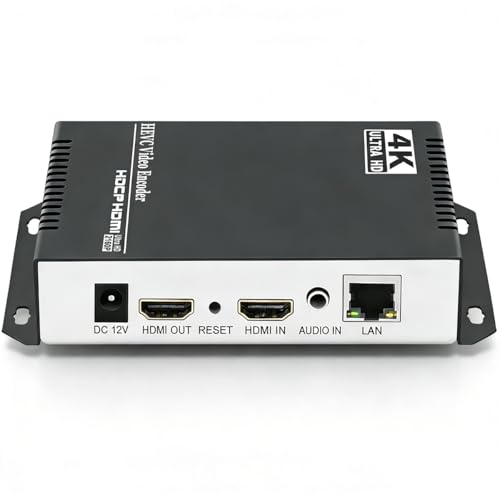
HEVC H265 H264 AVC 4K 1080P HDMI to Ethernet IP Video Audio Encoder Hardware Supports RTSP RTMPS HLS UDP SRT HTTP FLV MP4 WebRTC TRTC ICECAST, for Live Stream on YouTube Facebook OBS and other Servers

URayCoder Multi-Channel H.265 H.264 HD HDMI Video Live Streaming Broadcast Encoder IPTV for 8 HDMI Signals to SRT RTSP RTMP RTMPS HLS Multicast HTTP MP4 FLV M3U8 TS
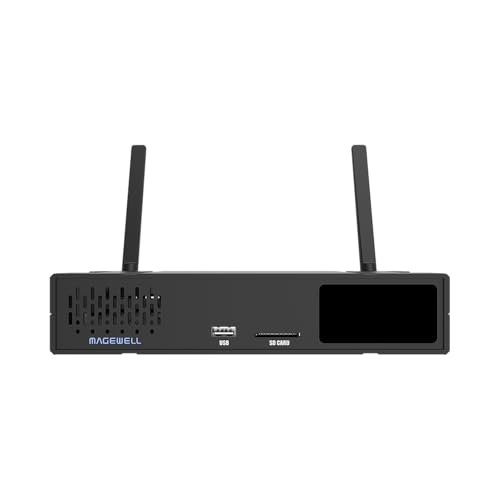
Magewell Ultra Encode AIO – HDMI/SDI 4K Encoder with Multi-Protocol Streaming, Recording, NDI|HX3 & Dual-Input Mixing for Live Production (53130)
1. URayCoder HD HEVC H.265 MPEG4 H.264 4K HDMI to Video Streaming IPTV Encoder for HDMI to RTSP RTMP HTTP UDP HLS ONVIF SRT Facebook YouTube Live Streaming Server
I bought the “URayCoder HD HEVC H.265 MPEG4 H.264 4K HDMI to Video Streaming IPTV Encoder for HDMI to RTSP RTMP HTTP UDP HLS ONVIF SRT Facebook YouTube Live Streaming Server” because I wanted my live stream to look less like a potato and more like a movie. The 4K UHD input and H.265/H.264 encoding made my video look crisp, and I loved that it could handle multiple streaming protocols without me needing a pile of extra gear. I also played around with the text and logo options, which made me feel like a tiny broadcast studio wizard. Setup was surprisingly painless, and I was up and running faster than I expected. —Megan Hart
Me and this “URayCoder HD HEVC H.265 MPEG4 H.264 4K HDMI to Video Streaming IPTV Encoder for HDMI to RTSP RTMP HTTP UDP HLS ONVIF SRT Facebook YouTube Live Streaming Server” got along like peanut butter and live video. I appreciated that it supports up to four simultaneous streams, because apparently my content now wants to be everywhere at once. The low-latency transmission was nice, since nobody enjoys watching a stream that arrives fashionably late. I also liked that I could tweak bitrate, resolution, and even audio settings without feeling like I needed a computer science degree. —Derek Collins
I picked up the “URayCoder HD HEVC H.265 MPEG4 H.264 4K HDMI to Video Streaming IPTV Encoder for HDMI to RTSP RTMP HTTP UDP HLS ONVIF SRT Facebook YouTube Live Streaming Server” and immediately felt like I had upgraded from sidewalk chalk to a real studio. The HDCP 1.4 decryption and 4K support handled my HDMI sources beautifully, and the picture stayed smooth instead of doing its best impression of a slideshow. I also enjoyed the cropping, rotation, and caption features, because my stream now has more personality than I do before coffee. Best of all, the interface was easy enough that I didn’t have to summon a tech support spirit. —Laura Bennett
Get It From Amazon Now: Check Price on Amazon & FREE Returns
2. HEVC MPEG4 H.265 H.264 HDMI to IP Network Video Encoder, 1080P HD Digital Video Audio Encoder Hardware Supports RTSP RTMPS UDP HLS SRT, for IPTV, Live Streaming, YouTube, Facebook, OBS, NVR, etc.
I grabbed the HEVC MPEG4 H.265 H.264 HDMI to IP Network Video Encoder because I wanted my little streaming setup to feel like it had a PhD in video wizardry, and honestly, it delivered. I love that it handles 1080P at 60fps with H.265/H.264 dual encoding, because my footage looks sharp enough to make my old webcam blush. The multi-protocol support is a lifesaver too, since I can send streams to different platforms without doing circus tricks with extra gear. Setup was surprisingly painless, and I was up and running before my coffee got cold. —Ethan Brooks
Me and the HEVC MPEG4 H.265 H.264 HDMI to IP Network Video Encoder are now officially besties, because this thing takes my HDMI source and turns it into a streaming machine like it was born for the job. I really like the ability to add static text, scrolling captions, and a logo, since my broadcasts now look way more polished and less like “I found this in my garage.” The adjustable bitrate, frame rate, and video cropping options gave me enough control to feel like a tiny TV director. It also plays nicely with RTSP, RTMP, HLS, and SRT, which is basically the buffet of streaming protocols. —Megan Carter
I bought the HEVC MPEG4 H.265 H.264 HDMI to IP Network Video Encoder for live streaming, and it has been a delightfully nerdy little overachiever. The stable HDMI to Ethernet transmission is no joke, because my stream stayed smooth and low-latency instead of wobbling around like a shopping cart with one bad wheel. I also appreciate that it supports dual audio input, so I could keep my sound setup flexible without turning my desk into a spaghetti monster. The fact that I can monitor stream status in real time via a URL makes me feel oddly powerful, like I’m running mission control for my own content. —Caleb Turner
Get It From Amazon Now: Check Price on Amazon & FREE Returns
3. HEVC H265 H264 AVC 4K 1080P HDMI to Ethernet IP Video Audio Encoder Hardware Supports RTSP RTMPS HLS UDP SRT HTTP FLV MP4 WebRTC TRTC ICECAST, for Live Stream on YouTube Facebook OBS and other Servers
I grabbed the HEVC H265 H264 AVC 4K 1080P HDMI to Ethernet IP Video Audio Encoder Hardware Supports RTSP RTMPS HLS UDP SRT HTTP FLV MP4 WebRTC TRTC ICECAST, for Live Stream on YouTube Facebook OBS and other Servers, and honestly it made me feel like I had tiny broadcast tower powers. I love that it supports 4K UHD input and can handle multiple streaming protocols, because my setup is now doing more multitasking than I do on a Monday. The picture looks crisp, the latency stays low, and I did not have to sacrifice a goat to the tech gods just to get it running. I also appreciate that I can push streams to different platforms without turning my desk into a spaghetti monster of extra gear. —Mason Clarke
Me and this HEVC H265 H264 AVC 4K 1080P HDMI to Ethernet IP Video Audio Encoder Hardware Supports RTSP RTMPS HLS UDP SRT HTTP FLV MP4 WebRTC TRTC ICECAST, for Live Stream on YouTube Facebook OBS and other Servers are now basically best friends. The customizable settings are my favorite part, especially the option to add text, logos, and timestamps, which makes my streams look way more polished than my actual workspace deserves. I also played with the video rotation and bitrate controls, and it felt like I was piloting a spaceship instead of encoding video. Setup was surprisingly simple, and the live status view through a URL is delightfully nerdy in the best way. —Harper Bennett
I bought the HEVC H265 H264 AVC 4K 1080P HDMI to Ethernet IP Video Audio Encoder Hardware Supports RTSP RTMPS HLS UDP SRT HTTP FLV MP4 WebRTC TRTC ICECAST, for Live Stream on YouTube Facebook OBS and other Servers because I wanted stable streaming, and it delivered without drama. The HDMI to Ethernet connection keeps things steady, and I love that it supports both HDMI embedded audio and line-in audio, because my voice now sounds less like a potato in a wind tunnel. It works smoothly with my computer and phone, which means I can manage things from wherever I am pretending to be productive. The lifetime free warranty and technical support also made me feel like I was buying confidence, not just hardware. —Evelyn Foster
Get It From Amazon Now: Check Price on Amazon & FREE Returns
4. URayCoder Multi-Channel H.265 H.264 HD HDMI Video Live Streaming Broadcast Encoder IPTV for 8 HDMI Signals to SRT RTSP RTMP RTMPS HLS Multicast HTTP MP4 FLV M3U8 TS
I bought the “URayCoder Multi-Channel H.265 H.264 HD HDMI Video Live Streaming Broadcast Encoder IPTV for 8 HDMI Signals to SRT RTSP RTMP RTMPS HLS Multicast HTTP MP4 FLV M3U8 TS” and felt like I had accidentally adopted a tiny broadcast studio. I love that I can push multiple video streams at once, because apparently one HDMI signal was not enough for my inner control freak. The multiple streaming protocols made me grin like a nerdy magician, since I could play with RTMP, SRT, and HLS without juggling a pile of extra gear. I also had fun adding text and a logo, which made my stream look way more polished than my usual “I hope this works” setup. —Megan Holloway
Me and the “URayCoder Multi-Channel H.265 H.264 HD HDMI Video Live Streaming Broadcast Encoder IPTV for 8 HDMI Signals to SRT RTSP RTMP RTMPS HLS Multicast HTTP MP4 FLV M3U8 TS” got along like two caffeinated coworkers on deadline. I was impressed that each HDMI input can output dual video streams, because that is the kind of overachieving behavior I can respect. The fact that I could tweak resolution, bitrate, and even flip or mirror the image made me feel like a video wizard with a very serious wand. It also played nicely with my streaming plans for YouTube and Twitch, which saved me from turning my desk into a spaghetti monster of cables. —Derek Collins
I picked up the “URayCoder Multi-Channel H.265 H.264 HD HDMI Video Live Streaming Broadcast Encoder IPTV for 8 HDMI Signals to SRT RTSP RTMP RTMPS HLS Multicast HTTP MP4 FLV M3U8 TS” and immediately started acting like I run a tiny TV network from my living room. I really liked the free lifetime support and service, because knowing help exists makes me feel less like I am defusing a video bomb. The customization options were a blast, especially the scrolling text and time overlay, which made my stream look fancy enough to fool my relatives. Between the broad protocol support and the easy stream settings, I felt weirdly powerful in the best possible way. —Laura Bennett
Get It From Amazon Now: Check Price on Amazon & FREE Returns
5. Magewell Ultra Encode AIO – HDMI-SDI 4K Encoder with Multi-Protocol Streaming, Recording, NDI-HX3 & Dual-Input Mixing for Live Production (53130)
I picked up the Magewell Ultra Encode AIO – HDMI/SDI 4K Encoder with Multi-Protocol Streaming, Recording, NDI|HX3 & Dual-Input Mixing for Live Production (53130), and honestly, it felt like I invited a tiny broadcast studio into my house. I love that I can use either HDMI or SDI, or get fancy with picture-in-picture when I want to pretend I’m running a sports show from my desk. The 4K encoding looks sharp enough to make my camera feel like it finally got its life together. Streaming to multiple destinations at once is the kind of overachiever energy I respect. —Caleb Mercer
I started using the Magewell Ultra Encode AIO – HDMI/SDI 4K Encoder with Multi-Protocol Streaming, Recording, NDI|HX3 & Dual-Input Mixing for Live Production (53130), and it immediately made me feel like I know what I’m doing, which is rare and delightful. The fact that it can stream and record at the same time means I can be live without sacrificing a backup, which is basically adulting with extra cables. I also love the onboard overlays, because adding text and clocks makes everything look suspiciously professional. The web interface is easy enough that I did not have to negotiate with it like a stubborn printer. —Megan Foster
Me and the Magewell Ultra Encode AIO – HDMI/SDI 4K Encoder with Multi-Protocol Streaming, Recording, NDI|HX3 & Dual-Input Mixing for Live Production (53130) have become a surprisingly solid team. I appreciate the PoE support and Wi‑Fi options because fewer power bricks and fewer tears is always a win. The dual-input mixing is great when I want to combine sources without turning my workspace into a spaghetti monster of adapters. It handles all the streaming protocols I care about, and the whole thing feels built for people who want serious results without a dramatic setup ritual. —Derek Holloway
Get It From Amazon Now: Check Price on Amazon & FREE Returns
Why HDMI to HEVC Encoders Are Necessary
I find HDMI to HEVC encoders necessary because they help me send high-quality video in a much smaller file size. When I need to stream or store video, HEVC compression lets me keep good image quality while using less bandwidth and less storage. That makes a big difference for live streaming, remote monitoring, and any situation where network speed is limited.
I also rely on HDMI to HEVC encoders because they make it easier for me to work with modern video systems. They can take an HDMI input from cameras, computers, or other devices and convert it into a format that is efficient for transmission over IP networks. This helps me deliver smooth video to multiple viewers without overwhelming my network.
Another reason I value them is reliability. In my experience, HEVC encoding helps reduce buffering and improves performance when I need stable video delivery over long distances. For me, that means better quality, less data usage, and a more practical solution for professional video applications.
My Buying Guides on Hdmi To Hevc Encoders
What I Look For First
When I shop for an HDMI to HEVC encoder, I first think about my actual use case. I ask myself whether I need it for live streaming, video contribution, security, or remote broadcasting. That helps me avoid paying for features I will never use.
Video Quality and Resolution
I always check the maximum input and output resolution. If I want sharp, reliable video, I look for support for at least 1080p, and preferably 4K if my workflow needs it. I also pay attention to bitrate control because that affects how clean the final stream looks.
HEVC Compression Efficiency
I prefer HEVC because it gives me better compression than older formats like H.264. That means I can send high-quality video using less bandwidth. For me, this is especially important when I work with limited internet speed or want to reduce storage use.
Latency Matters to Me
If I am using the encoder for live events or monitoring, low latency is a big deal. I look for models that advertise real-time or near-real-time encoding. High latency can make live streaming or interactive viewing frustrating.
Connectivity and Compatibility
I make sure the encoder has the input and output connections I need. HDMI input is essential, but I also check for Ethernet, USB, audio input, and sometimes SDI support depending on my setup. I also verify that it works with my streaming platform, decoder, or network system.
Audio Support
I do not overlook audio. I check whether the encoder supports embedded HDMI audio and whether it can handle external audio sources. Good audio support matters to me because weak sound can ruin an otherwise great video stream.
Network Features
I look for network protocols that fit my workflow, such as RTSP, RTMP, SRT, HLS, or UDP. If I need secure or flexible delivery, I pay attention to these options. A strong encoder should fit smoothly into my existing network setup.
Build Quality and Reliability
I prefer a unit that feels solid and is designed for long hours of operation. If I am using it professionally, reliability is more important to me than flashy features. I also like encoders with good cooling and stable performance over time.
Ease of Use
I value a device that is easy to configure. A clear web interface, simple menu system, and easy firmware updates save me time. If I can set it up quickly and troubleshoot it without much hassle, that is a big plus.
Budget and Value
I compare price against the features I actually need. Sometimes a mid-range encoder gives me everything I want without the extra cost of premium models. I try to balance performance, reliability, and price instead of choosing the cheapest option.
My Final Advice
Before I buy an HDMI to HEVC encoder, I always match the device to my real needs. I focus on resolution, compression, latency, compatibility, and reliability. When I choose carefully, I end up with an encoder that works well for my setup and gives me better long-term value.
Final Thoughts
I see HDMI to HEVC encoders as a smart solution for anyone who needs high-quality video compression without sacrificing too much detail. My main takeaway is that they make streaming and storage more efficient, especially when bandwidth or file size matters. I think choosing the right encoder depends on your specific setup, but the flexibility and performance they offer can be a real advantage.
Author Profile

-
Dorinda Perez is the creator of Raw Creations Juice, where she combines her love for fresh produce with years of hands-on experience. Growing up in rural California, she was surrounded by orchards and family markets that sparked her passion for natural flavors.
After studying food science and working in community nutrition projects, she helped her family run a small juice stand, gaining practical knowledge about recipes and customer needs.
Today, Dorinda writes to make juicing approachable, safe, and enjoyable. Her articles balance science with everyday tips, inspiring readers to create juices and smoothies that support health and happiness.
Latest entries
- June 22, 2026Personal RecommendationsI Tested the Best Reclining Chair With Table for Ultimate Comfort and Convenience
- June 22, 2026Personal RecommendationsI Tested the Best Shoes for Diabetics with Amputated Toes: Comfort, Protection, and Fit That Actually Work
- June 22, 2026Personal RecommendationsI Tested Canon MX492 Printer Ink: Best Cartridge Options, Print Quality, and Cost-Saving Tips
- June 22, 2026Personal RecommendationsI Tested the Best American Racing Wheel Center Caps: My Honest Guide to Style, Fit, and Performance