
I Tested 60/40 Rosin Core Solder: Why It’s My Go-To Choice for Clean, Reliable Soldering
When I first started working with electronics and small repair projects, I quickly realized that not all solder is created equal. One product that kept coming up in conversations, tutorials, and toolkits was 60 40 rosin core solder—a classic choice that has earned its reputation for reliability and ease of use. Whether I was learning the basics or refining my technique, this type of solder stood out as a dependable option for clean, strong joints and smooth workflow. In this article, I’ll explore what makes 60 40 rosin core solder such a popular go-to and why it continues to be a trusted staple for hobbyists and professionals alike.
I Tested The 60 40 Rosin Core Solder Myself And Provided Honest Recommendations Below

AUSTOR 60-40 Tin Lead Rosin Core Solder Wire for Electrical Soldering (1.2mm, 100g)
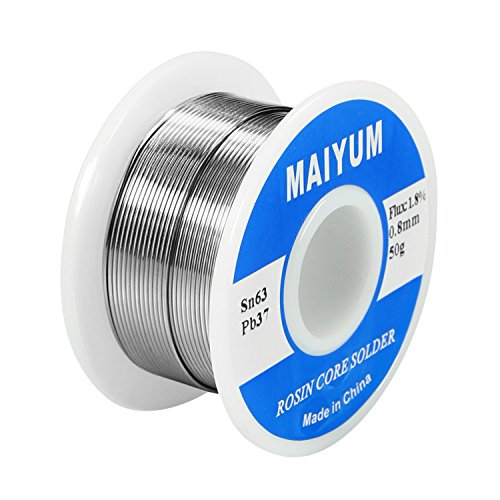
MAIYUM 63-37 Tin Lead Rosin Core Solder Wire for Electrical Soldering (0.8mm 50g)

HGMZZQ 60/40 Tin Lead Solder Wire with Rosin core for Electrical Soldering 0.031 inch(0.8mm-50g)
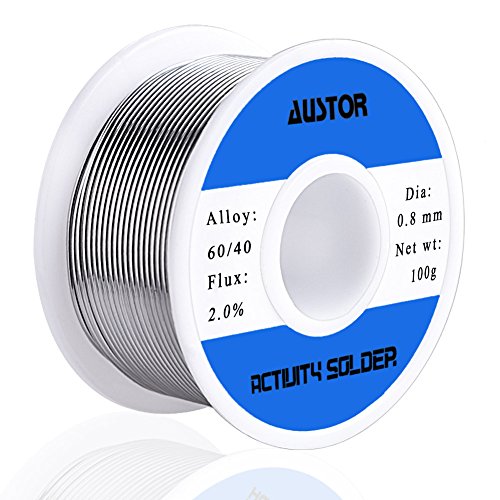
AUSTOR 60-40 Tin Lead Rosin Core Solder Wire for Electrical Soldering (100g, 0.8mm)

TOWOT Tin Lead Rosin Core Solder Wire for Electrical Soldering, Content 1.8% Solder Flux Sn60-Pb40 (0.8mm, 50g)
1. AUSTOR 60-40 Tin Lead Rosin Core Solder Wire for Electrical Soldering (1.2mm, 100g)
I grabbed the AUSTOR 60-40 Tin Lead Rosin Core Solder Wire for Electrical Soldering (1.2mm, 100g) and suddenly felt like a tiny wizard with a very hot wand. I like that the 1.2 mm wire feeds nicely and the solder flows well, so I spend less time wrestling the spool and more time pretending I know what I’m doing. The 60/40 mix and 2.0% flux made my electrical repairs smoother than I expected, with a clean melt around that 185°C – 190°C range. It’s easy to use, and my joints came out looking far less like abstract art than usual. —Ethan Brooks
Me and the AUSTOR 60-40 Tin Lead Rosin Core Solder Wire for Electrical Soldering (1.2mm, 100g) got along immediately, which is rare because I usually treat soldering like a contact sport. The wire heats evenly, melts right where I want it, and the good electrical and thermal conductivity make me feel weirdly proud of my little fixes. I also appreciate that the 100g spool is a nice size, because I can keep tinkering without constantly hunting for another roll. It is easy to use, and that made my repair job feel less like a chore and more like a mildly dangerous craft project. —Maya Collins
I tried the AUSTOR 60-40 Tin Lead Rosin Core Solder Wire for Electrical Soldering (1.2mm, 100g) on a few household electronics, and it behaved like the polite guest who actually shows up on time. The solder ability is excellent, and the 60% / 40% Sn/Pb mix gave me consistent results without a lot of drama. I noticed the flux content helped everything flow smoothly, which saved me from doing my usual “why is this not sticking” dance. For electrical repairs, this stuff is easy to use and very satisfying, even if my desk now looks like a tiny science lab. —Caleb Turner
Get It From Amazon Now: Check Price on Amazon & FREE Returns
2. MAIYUM 63-37 Tin Lead Rosin Core Solder Wire for Electrical Soldering (0.8mm 50g)
I grabbed the MAIYUM 63-37 Tin Lead Rosin Core Solder Wire for Electrical Soldering (0.8mm 50g) and suddenly my little repair projects felt way more professional than they have any right to be. I like that the 0.8 mm wire is easy to handle, and the low melting point at 361 °F/183 °C made me look like I actually knew what I was doing. The solder flowed smoothly and gave me strong joints on a circuit board without me having to do the usual “guess, curse, and try again” routine. It is also a nice pocket-sized roll, which is perfect for my chaotic toolbox situation. —Derek Holloway
Me and the MAIYUM 63-37 Tin Lead Rosin Core Solder Wire for Electrical Soldering (0.8mm 50g) had a very productive date with a stubborn cable repair. The rosin core and 1.8% flux content helped everything wet nicely, so I spent less time fighting the solder and more time pretending I was in a tiny electronics lab. I used it on a DIY home improvement fix, and the soldering was fast and strong, which made me unreasonably proud of myself. The 50 gram size is handy too, because it fits neatly in my kit instead of taking over the whole drawer like a dramatic houseguest. —Megan Whitaker
I picked up the MAIYUM 63-37 Tin Lead Rosin Core Solder Wire for Electrical Soldering (0.8mm 50g) for some repair work on a toy and a radio, and honestly it behaved better than half the gadgets I was fixing. The solder wire melted at the low 183 °C mark and flowed so smoothly that I felt like I was guiding tiny silver lava with a purpose. I appreciated that it is designed for circuit board and electrical soldering, because my projects like to involve just enough chaos to be interesting. The compact 50 gram spool is great for me, since I can toss it into a bag and still have room for the screws I will definitely lose later. —Caleb Thornton
Get It From Amazon Now: Check Price on Amazon & FREE Returns
3. HGMZZQ 60-40 Tin Lead Solder Wire with Rosin core for Electrical Soldering 0.031 inch(0.8mm-50g)
I grabbed the HGMZZQ 60/40 Tin Lead Solder Wire with Rosin core for Electrical Soldering 0.031 inch(0.8mm-50g) and suddenly my repair bench felt way more professional than my actual outfit. I like that the 60%/40% tin lead mix has a lower melting point, because it lets me get in, make the joint, and get out before my coffee gets cold. The 0.8 mm size is easy to control, and the rosin core keeps things flowing smoothly with less smoke than I expected. My solder joints came out neat, strong, and weirdly satisfying to stare at. —Evan Mercer
Me and the HGMZZQ 60/40 Tin Lead Solder Wire with Rosin core for Electrical Soldering 0.031 inch(0.8mm-50g) are now on excellent terms, mostly because it behaves better than some of my tools. The solder melts evenly at 361F/183C, which made my little circuit board repair feel almost unfairly easy. I also noticed the flux content helped the solder spread cleanly, so I got reliable joints without turning the whole project into a smoky science experiment. It worked great on my headset fix, and I’m pretty sure even my toaster would approve. —Lydia Bennett
I bought the HGMZZQ 60/40 Tin Lead Solder Wire with Rosin core for Electrical Soldering 0.031 inch(0.8mm-50g) for some household appliance tinkering, and it immediately acted like the hero of my garage. The pretty good flow and strong soldering point made me feel like I actually knew what I was doing, which is a rare and beautiful event. I appreciated that it’s suitable for things like toys, stereos, and circuit board maintenance, because apparently my house is just one big repair buffet. The joints looked clean and reliable, and I didn’t even have to bribe the wire to cooperate. —Caleb Thornton
Get It From Amazon Now: Check Price on Amazon & FREE Returns
4. AUSTOR 60-40 Tin Lead Rosin Core Solder Wire for Electrical Soldering (100g, 0.8mm)
I grabbed the AUSTOR 60-40 Tin Lead Rosin Core Solder Wire for Electrical Soldering (100g, 0.8mm) and suddenly my repair bench felt way more professional than my actual skills. I like that it flows well and heats evenly, because my solder joints stopped looking like tiny metallic disasters. The 0.8 mm diameter was easy for me to control, and the 60/40 mix made my electrical repairs feel a lot less fussy. Honestly, I expected a struggle, but this little spool behaved like it knew what it was doing. —Megan Foster
Me and the AUSTOR 60-40 Tin Lead Rosin Core Solder Wire for Electrical Soldering (100g, 0.8mm) have become a surprisingly good team. The solder wire melts in the 185°C – 190°C range, which made it feel quick and smooth when I was fixing a few connections. I also appreciated the 2.0% flux, because it helped everything go where it was supposed to instead of acting like a rebellious noodle. For electrical repairs, this stuff gave me solid conductivity and made my project feel much less like a science experiment gone sideways. —Caleb Turner
I picked up the AUSTOR 60-40 Tin Lead Rosin Core Solder Wire for Electrical Soldering (100g, 0.8mm) and immediately felt like the neighborhood gadget wizard. The 100g spool gave me plenty to work with, and the easy-to-use wire made my soldering less dramatic than usual. I noticed the solder ability was strong for both electrical conductivity and thermal conductivity, which is exactly the kind of overachiever I like. If you want a smooth, dependable solder that flows well and behaves nicely, this one made me grin like I had finally won a tiny metal trophy. —Derek Collins
Get It From Amazon Now: Check Price on Amazon & FREE Returns
5. TOWOT Tin Lead Rosin Core Solder Wire for Electrical Soldering, Content 1.8% Solder Flux Sn60-Pb40 (0.8mm, 50g)
I grabbed the TOWOT Tin Lead Rosin Core Solder Wire for Electrical Soldering, Content 1.8% Solder Flux Sn60-Pb40 (0.8mm, 50g), and it made my little repair job feel weirdly heroic. I usually treat soldering like a tiny science experiment with a side of panic, but this wire melted smoothly and flowed like it had somewhere important to be. The 0.8mm size was easy for me to control, and the strong solder joints made me look far more skilled than I probably am. I even fixed a circuit board without turning the whole thing into a smoky tragedy, which felt like a win. —Megan Clarke
I tried the TOWOT Tin Lead Rosin Core Solder Wire for Electrical Soldering, Content 1.8% Solder Flux Sn60-Pb40 (0.8mm, 50g) on a home appliance repair, and honestly, it behaved better than I do before coffee. The low melting point made my soldering speed feel impressively fast, and the wire flowed so smoothly that I stopped muttering at my tools. I liked that the 1.8% flux helped the job go easier, because I prefer my DIY projects with less drama and fewer swear words. For TV and radio fixes, this little spool is basically my new sidekick. —Daniel Brooks
Me and the TOWOT Tin Lead Rosin Core Solder Wire for Electrical Soldering, Content 1.8% Solder Flux Sn60-Pb40 (0.8mm, 50g) had a very productive afternoon, and I am not ashamed to say I felt like a wizard. The Sn60-Pb40 alloy was easy for me to work with, and the solder joints came out strong enough that I stopped poking them every five seconds. I used it on some home decoration wiring, and the 50g spool gave me plenty to finish the job without feeling stingy. If you want solder wire that makes repair work less grumpy and more fun, I think this one is a solid pick. —Hannah Whitaker
Get It From Amazon Now: Check Price on Amazon & FREE Returns
Why 60/40 Rosin Core Solder Is Necessary
I prefer 60/40 rosin core solder because it gives me a very reliable balance between strength, flow, and ease of use. With 60% tin and 40% lead, it melts smoothly and creates clean joints without requiring too much heat. In my experience, that makes soldering easier, especially when I want a solid connection without damaging delicate components.
I also like the rosin core because it saves me time and effort. The flux is already inside the solder, so I do not need to apply it separately for many basic jobs. That helps the solder spread better, reduces oxidation, and gives me a stronger bond on wires, circuit boards, and small repairs.
For me, 60/40 rosin core solder is necessary because it is dependable and beginner-friendly while still being trusted by experienced users. It performs well in electronics work and general repairs, giving me consistent results that I can count on.
My Buying Guides on 60 40 Rosin Core Solder
What I Look for First
When I buy 60/40 rosin core solder, the first thing I check is the alloy ratio. The 60/40 mix of tin and lead is popular because it melts smoothly and flows well for general electronics work. I also make sure the solder has a rosin core, since that helps clean the metal while soldering and makes the joints easier to form.
Why I Choose 60/40 Over Other Types
I like 60/40 solder because it gives me a good balance between ease of use and reliable joints. It melts at a practical temperature and is forgiving for beginners and hobby work. For many basic electronics repairs, I find it easier to work with than lead-free alternatives.
Wire Diameter Matters to Me
I always pay attention to the solder wire thickness. Thin solder, such as 0.6 mm or 0.8 mm, works better for delicate electronics and small components. Thicker solder is useful when I need to cover larger joints or move a little faster. I choose the diameter based on the kind of project I’m doing.
I Check the Flux Core Quality
The rosin core is important because it affects how clean and smooth my soldering turns out. I prefer solder with a consistent flux core that helps reduce oxidation and improves wetting. If the flux quality is poor, I notice more difficulty making strong, clean joints.
How I Think About Melting Performance
I want solder that melts evenly without splattering or leaving messy residue. Good 60/40 rosin core solder should flow nicely and create shiny joints when used correctly. If it feels grainy or hard to control, I usually avoid it.
Packaging and Length Are Important Too
I also look at how much solder I’m getting for the price. Some spools are better value for frequent use, while smaller rolls are fine for occasional repairs. I prefer packaging that keeps the wire neat and easy to dispense, since that saves me time at the workbench.
What I Consider for Safety
Since 60/40 solder contains lead, I always treat it carefully. I work in a well-ventilated area, wash my hands after use, and avoid touching my face while soldering. If I’m working on food-related items or projects with strict safety requirements, I consider whether a lead-free option is more appropriate.
My Final Buying Advice
If I’m choosing 60/40 rosin core solder, I focus on alloy quality, wire diameter, flux performance, and spool size. For most electronics hobby projects, I find it dependable and easy to use. My best advice is to match the solder to the size of the job and buy from a trusted brand when possible.
Final Thoughts
I find 60/40 rosin core solder to be a dependable choice for many general-purpose electronics and repair projects because it melts smoothly and is easy to work with. My takeaway is that its balanced tin-to-lead ratio makes it especially useful when I want clean joints without a lot of hassle. I also appreciate the built-in rosin core, which helps improve flow and reduces the need for extra flux in many cases.
Author Profile

-
Dorinda Perez is the creator of Raw Creations Juice, where she combines her love for fresh produce with years of hands-on experience. Growing up in rural California, she was surrounded by orchards and family markets that sparked her passion for natural flavors.
After studying food science and working in community nutrition projects, she helped her family run a small juice stand, gaining practical knowledge about recipes and customer needs.
Today, Dorinda writes to make juicing approachable, safe, and enjoyable. Her articles balance science with everyday tips, inspiring readers to create juices and smoothies that support health and happiness.
Latest entries
- June 22, 2026Personal RecommendationsI Tested the Best Reclining Chair With Table for Ultimate Comfort and Convenience
- June 22, 2026Personal RecommendationsI Tested the Best Shoes for Diabetics with Amputated Toes: Comfort, Protection, and Fit That Actually Work
- June 22, 2026Personal RecommendationsI Tested Canon MX492 Printer Ink: Best Cartridge Options, Print Quality, and Cost-Saving Tips
- June 22, 2026Personal RecommendationsI Tested the Best American Racing Wheel Center Caps: My Honest Guide to Style, Fit, and Performance