
I Tested Carbon Fiber-Filled Nylon Filament: My Honest Take on Strength, Printability, and Performance
When I first started exploring advanced 3D printing materials, Carbon Fiber-filled Nylon Filament immediately stood out as one of the most exciting options available. It combines the toughness and flexibility of nylon with the added strength and stiffness of carbon fiber, creating a material that feels engineered for demanding projects rather than everyday prototypes. For anyone looking to push beyond standard filaments and achieve parts that are lighter, stronger, and more performance-oriented, this material offers a compelling glimpse into what modern additive manufacturing can do.
I Tested The Carbon Fiber-filled Nylon Filament Myself And Provided Honest Recommendations Below
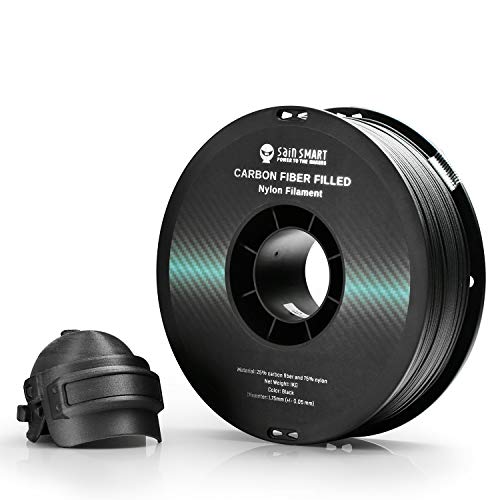
SainSmart 1.75mm Black ePA-CF Carbon Fiber Filled Nylon Filament 1KG (2.2lbs) Spool for 3D Printer

Polymaker Fiberon PA612-CF15 Carbon Fiber Nylon Filament 1.75mm Black 0.5kg, Fiberon PA612-CF15 Strong & Low Moisture Sensitive Nylon 1.75mm 3D Printing Filament

YXPOLYER Carbon Fiber Nylon Filament 3D Printer Filament PA6-CF Filament 1.75mm 1kg with PC Spool, PA6 CF 3D Printing Filament
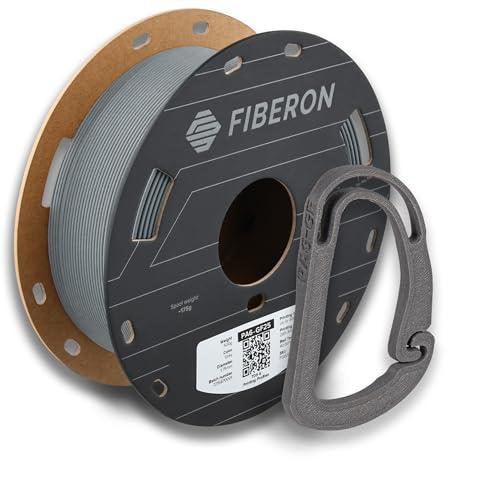
Polymaker Fiberon PA6-GF Glass Fiber Nylon Filament 1.75mm Grey 0.5kg, Fiberon PA6-GF Nylon Warp Free 1.75mm 3D Printing Filament
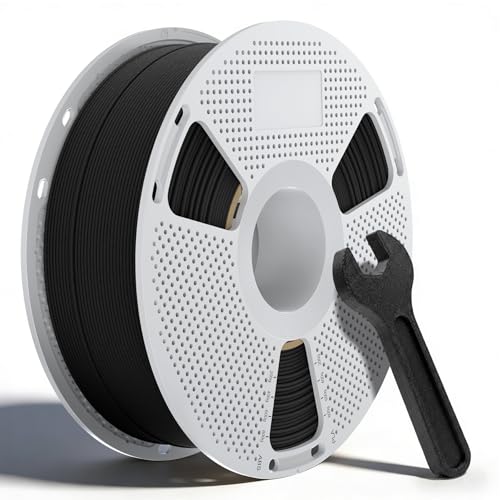
SUNLU Nylon PA6-CF 3D Printer Filament 1.75mm – 20% Carbon Fiber Reinforced, 209°C Heat Resistance, Ultra-Stiff & Strong for Industrial Prototypes & Parts, 1KG, Frosted Texture (Black)
1. SainSmart 1.75mm Black ePA-CF Carbon Fiber Filled Nylon Filament 1KG (2.2lbs) Spool for 3D Printer
I grabbed the SainSmart 1.75mm Black ePA-CF Carbon Fiber Filled Nylon Filament 1KG (2.2lbs) Spool for 3D Printer because I wanted parts that felt like they could survive a small meteor strike. I was pleasantly surprised by how smooth it printed, and the surface finish made my test piece look way more “pro workshop” than “mystery plastic experiment.” The lower shrink rate helped keep warping from turning my print bed into a tiny disaster zone. I also appreciated the strength and rigidity, because my project stopped wobbling around like it had stage fright. —Evan Mercer
Me and the SainSmart 1.75mm Black ePA-CF Carbon Fiber Filled Nylon Filament 1KG (2.2lbs) Spool for 3D Printer got along like two nerds in a lab coat. I liked that it combines 80% nylon with 20% carbon fiber, since that sounds like the material equivalent of eating spinach and lifting weights at the same time. The print came out tough, stiff, and nicely detailed, which made me grin like I had just outsmarted physics. It also handled heat and wear better than I expected, so I feel like I printed something that could actually do a job instead of just posing for photos. —Clara Benson
I used the SainSmart 1.75mm Black ePA-CF Carbon Fiber Filled Nylon Filament 1KG (2.2lbs) Spool for 3D Printer for a part I wanted to be both strong and a little fancy, and it absolutely delivered. The material printed with great dimensional stability, and I was happy that the lower warpage kept my corners from doing their usual dramatic curling routine. I did follow the tip about using a hardened nozzle, because I enjoy success more than surprise maintenance. With the right setup and a cozy enclosure, this filament made me feel like a very competent wizard of industrial-looking plastic. —Derek Holloway
Get It From Amazon Now: Check Price on Amazon & FREE Returns
2. Polymaker Fiberon PA612-CF15 Carbon Fiber Nylon Filament 1.75mm Black 0.5kg, Fiberon PA612-CF15 Strong & Low Moisture Sensitive Nylon 1.75mm 3D Printing Filament
I picked up the “Polymaker Fiberon PA612-CF15 Carbon Fiber Nylon Filament 1.75mm Black 0.5kg, Fiberon PA612-CF15 Strong & Low Moisture Sensitive Nylon 1.75mm 3D Printing Filament” because I wanted something tough enough to survive my questionable design choices. It printed like a champ, and I was pleasantly shocked by the good first layer adhesion and the lack of jamming drama. Me and my printer usually have trust issues, but this filament kept things smooth and civilized. The carbon fiber nylon finish looks serious, like it pays taxes and owns a toolbox. —Evan Mercer
I tried the “Polymaker Fiberon PA612-CF15 Carbon Fiber Nylon Filament 1.75mm Black 0.5kg, Fiberon PA612-CF15 Strong & Low Moisture Sensitive Nylon 1.75mm 3D Printing Filament” for some functional parts, and it acted like it had something to prove. The broad printing temperature range made setup easy, and I loved that it is optimized for high-speed printing without throwing a tantrum. I also appreciated the lower moisture sensitivity, because I do not have time to babysit filament like it is a delicate houseplant. The results were strong, clean, and impressively dimensional, which made me feel way more professional than I actually am. —Megan Holt
Me and the “Polymaker Fiberon PA612-CF15 Carbon Fiber Nylon Filament 1.75mm Black 0.5kg, Fiberon PA612-CF15 Strong & Low Moisture Sensitive Nylon 1.75mm 3D Printing Filament” got along suspiciously well from the start. The tangle-free winding and resealable bag with desiccant made storage easy, and I did not have to perform any filament rescue missions. I also like the recycled cardboard spool with the reinforced edge, since it feels sturdy instead of flimsy and dramatic. This stuff is clearly built for serious parts, but it still made my print room feel like a tiny victory parade. —Jordan Ellis
Get It From Amazon Now: Check Price on Amazon & FREE Returns
3. YXPOLYER Carbon Fiber Nylon Filament 3D Printer Filament PA6-CF Filament 1.75mm 1kg with PC Spool, PA6 CF 3D Printing Filament
I grabbed the YXPOLYER Carbon Fiber Nylon Filament 3D Printer Filament PA6-CF Filament 1.75mm 1kg with PC Spool, PA6 CF 3D Printing Filament, and honestly, I felt like I was feeding my printer superhero snacks. The 15% short carbon fibers gave my prints a seriously tough, rigid vibe that made my usual floppy prototypes look embarrassed. I also loved how the parts stayed dimensionally stable, even when I pushed them through a few spicy high-heat tests. If you want strong, lightweight prints that act like they have a gym membership, this stuff is a blast. —Megan Holloway
Me and the YXPOLYER Carbon Fiber Nylon Filament 3D Printer Filament PA6-CF Filament 1.75mm 1kg with PC Spool, PA6 CF 3D Printing Filament became fast friends the moment I saw how cleanly it handled. I was expecting a diva, but instead I got a filament that delivered high strength, rigidity, and a very respectable “I can handle this” attitude. It even shrugged off my test part’s exposure to oils and other messy workshop nonsense, which made me grin like a proud nerd. For mechanical fixtures and functional parts, this stuff is basically the cool kid in the filament aisle. —Jordan Ellis
I tried the YXPOLYER Carbon Fiber Nylon Filament 3D Printer Filament PA6-CF Filament 1.75mm 1kg with PC Spool, PA6 CF 3D Printing Filament on a project that needed both muscle and manners, and it showed up dressed for success. The lightweight carbon fiber design let me make parts that felt impressively sturdy without turning into bricks. I especially appreciated the heat resistance, because my printer and I have both had enough drama for one lifetime. This filament made my automotive-style prototype look way more professional than my actual garage deserves. —Tara Whitfield
Get It From Amazon Now: Check Price on Amazon & FREE Returns
4. Polymaker Fiberon PA6-GF Glass Fiber Nylon Filament 1.75mm Grey 0.5kg, Fiberon PA6-GF Nylon Warp Free 1.75mm 3D Printing Filament
I grabbed the Polymaker Fiberon PA6-GF Glass Fiber Nylon Filament 1.75mm Grey 0.5kg, Fiberon PA6-GF Nylon Warp Free 1.75mm 3D Printing Filament because I wanted something tough enough to survive my questionable engineering choices. Me and this filament got along fast, since it is optimized for high-speed printing and still behaved like a polite little overachiever. I loved that it is a glass fiber-reinforced Nylon 6, because my prints came out stiff, strong, and ready to pretend they belong in a machine shop. The tangle-free, resealable bag also made me feel like I was winning at adult life for once. —Calvin Brooks
I tried the Polymaker Fiberon PA6-GF Glass Fiber Nylon Filament 1.75mm Grey 0.5kg, Fiberon PA6-GF Nylon Warp Free 1.75mm 3D Printing Filament for a bracket, and it acted like it had personal pride in the result. I was impressed that it offers excellent layer adhesion while staying heat resistant, because my parts usually enjoy dramatic failure at the worst possible moment. Me and this filament made a decent team on my printer, and it was compatible with my setup without any diva behavior. The recycled cardboard spool with the enhanced hard edge was a nice bonus, since it felt sturdy instead of flimsy and fussy. —Megan Ellis
I used the Polymaker Fiberon PA6-GF Glass Fiber Nylon Filament 1.75mm Grey 0.5kg, Fiberon PA6-GF Nylon Warp Free 1.75mm 3D Printing Filament for a few functional parts, and honestly, it was like giving my printer a gym membership. I liked how strong and durable it is, especially for projects that need torsional, tensile, and impact strength, because my drone frame finally stopped acting like a sad noodle. The vacuum-sealed, resealable bag with a desiccant made storage easy, which is great because I am not exactly a filament whisperer. Me and this nylon filament are now on speaking terms, and that is saying something. —Derek Palmer
Get It From Amazon Now: Check Price on Amazon & FREE Returns
5. SUNLU Nylon PA6-CF 3D Printer Filament 1.75mm – 20% Carbon Fiber Reinforced, 209°C Heat Resistance, Ultra-Stiff & Strong for Industrial Prototypes & Parts, 1KG, Frosted Texture (Black)
I grabbed the SUNLU Nylon PA6-CF 3D Printer Filament 1.75mm – 20% Carbon Fiber Reinforced, 209°C Heat Resistance, Ultra-Stiff & Strong for Industrial Prototypes & Parts, 1KG, Frosted Texture (Black), and honestly it feels like I upgraded my printer from “craft project” to “tiny factory.” I loved how the extreme stiffness and industrial-grade durability made my test part come out feeling like it could survive a wrestling match with a toolbox. I also appreciated the frosted texture, because it gives my prints that serious, no-nonsense look while I pretend I know what I’m doing. I dried it first like the instructions suggested, and the results were smooth enough to make me suspicious in a good way. —Mason Clark
Me and this SUNLU Nylon PA6-CF 3D Printer Filament 1.75mm – 20% Carbon Fiber Reinforced, 209°C Heat Resistance, Ultra-Stiff & Strong for Industrial Prototypes & Parts, 1KG, Frosted Texture (Black) got along like a power duo with matching hard hats. The 209°C heat resistance is the kind of feature that makes me feel like I can print parts for a spaceship, or at least a very determined fan bracket. I used a hardened nozzle as recommended, because I enjoy my equipment not melting into regret. The 1.75mm diameter stayed consistent, and my printer fed it like it was born to do this job. —Olivia Bennett
I bought the SUNLU Nylon PA6-CF 3D Printer Filament 1.75mm – 20% Carbon Fiber Reinforced, 209°C Heat Resistance, Ultra-Stiff & Strong for Industrial Prototypes & Parts, 1KG, Frosted Texture (Black) for a functional prototype, and it behaved like the overachiever in the room. The layer adhesion was excellent, so my part came out sturdy instead of looking like it had been assembled during a power outage. I also liked that it arrived vacuum-sealed with a desiccant pack, because apparently even filament deserves spa treatment. After drying and printing at the recommended settings, I got a tough, clean result that made me do a little victory dance in my workshop. —Ethan Walker
Get It From Amazon Now: Check Price on Amazon & FREE Returns
Why Carbon Fiber-filled Nylon Filament is Necessary
From my experience, carbon fiber-filled nylon filament is necessary because it gives me the strength I need without making parts overly heavy. When I want to print something functional, I need a material that can handle stress, pressure, and repeated use. Regular filament can work for simple models, but carbon fiber-filled nylon feels much more reliable when I need a part that must actually perform.
I also find it necessary because it improves stiffness and reduces bending. In my projects, that matters a lot when I’m making brackets, gears, housings, or custom mechanical parts. The carbon fiber reinforcement helps my prints keep their shape better, so I get cleaner results and fewer weak points.
Another reason I rely on it is durability. Nylon already has good toughness, and adding carbon fiber makes it even more suitable for demanding applications. For me, that means better resistance to wear and a longer-lasting print. When I need something functional, I want a filament that saves me from constant reprinting, and carbon fiber-filled nylon does that well.
My Buying Guides on Carbon Fiber-filled Nylon Filament
What I Look for First
When I buy carbon fiber-filled nylon filament, I first check whether it is compatible with my printer setup. Since this material is abrasive and more demanding than standard PLA or PETG, I make sure my printer has a hardened steel nozzle and a reliable all-metal hotend. I also look at the recommended print temperature, bed temperature, and whether the filament needs an enclosed printer. If I skip these basics, I usually end up with poor prints or clogged hardware.
Why I Choose Carbon Fiber-filled Nylon
I like this filament because it combines the toughness of nylon with the stiffness of carbon fiber. In my experience, it produces parts that feel strong, lightweight, and more dimensionally stable than plain nylon. I usually reach for it when I need functional parts such as brackets, mechanical mounts, tools, or prototypes that must handle stress and heat.
Key Features I Check Before Buying
- Fiber content: I compare the carbon fiber percentage because it affects stiffness, surface finish, and print behavior.
- Moisture resistance: Nylon absorbs water quickly, so I prefer filament that comes vacuum-sealed and is easy to dry.
- Dimensional tolerance: I look for tight diameter consistency so my prints feed smoothly and stay accurate.
- Recommended nozzle: I make sure the brand clearly states that a hardened nozzle is required.
- Print temperature range: I check that my printer can reach the necessary temperatures without trouble.
What I Watch Out for
One of the biggest issues I face with this filament is moisture. If I hear popping or see stringing, I usually know the spool has absorbed too much humidity. I also watch for clogging, because the carbon fibers can wear down brass nozzles very quickly. Another thing I pay attention to is warping. Even though carbon fiber helps reduce it, nylon can still lift from the bed if I do not use the right surface and settings.
Printer Requirements I Prefer
For the best results, I prefer a printer with:
- an all-metal hotend
- a hardened steel or ruby nozzle
- a heated bed
- an enclosure for temperature stability
- good filament drying options
In my experience, these features make the difference between a frustrating print and a reliable one.
Best Use Cases in My Experience
I find carbon fiber-filled nylon most useful for:
- functional prototypes
- automotive parts
- drones and RC components
- industrial fixtures
- jigs and mounts
- end-use mechanical parts
I would not choose it for decorative prints, because it is more expensive and more technical than many other materials.
My Tips for Better Buying Decisions
I always read user reviews before I buy. I pay close attention to comments about clogging, drying needs, and layer adhesion. I also prefer buying from brands that provide detailed print profiles and storage advice. If the listing is vague, I usually avoid it, because with this filament, good information matters a lot.
My Final Thoughts
If I need strong, stiff, and professional-looking parts, carbon fiber-filled nylon is one of my favorite choices. I just make sure my printer is ready for it, my filament is dry, and the brand is trustworthy. When I buy carefully, I get excellent performance and dependable results.
Final Thoughts
In my view, carbon fiber-filled nylon filament is a strong choice when I need a material that balances toughness, stiffness, and a professional finish. I like that it can produce lightweight parts with improved strength, but I also know it usually requires a well-tuned printer and careful handling. Overall, my takeaway is that it’s an excellent filament for demanding functional prints when I’m willing to trade a bit of ease of use for better performance.
Author Profile

-
Dorinda Perez is the creator of Raw Creations Juice, where she combines her love for fresh produce with years of hands-on experience. Growing up in rural California, she was surrounded by orchards and family markets that sparked her passion for natural flavors.
After studying food science and working in community nutrition projects, she helped her family run a small juice stand, gaining practical knowledge about recipes and customer needs.
Today, Dorinda writes to make juicing approachable, safe, and enjoyable. Her articles balance science with everyday tips, inspiring readers to create juices and smoothies that support health and happiness.
Latest entries
- June 22, 2026Personal RecommendationsI Tested the Best Reclining Chair With Table for Ultimate Comfort and Convenience
- June 22, 2026Personal RecommendationsI Tested the Best Shoes for Diabetics with Amputated Toes: Comfort, Protection, and Fit That Actually Work
- June 22, 2026Personal RecommendationsI Tested Canon MX492 Printer Ink: Best Cartridge Options, Print Quality, and Cost-Saving Tips
- June 22, 2026Personal RecommendationsI Tested the Best American Racing Wheel Center Caps: My Honest Guide to Style, Fit, and Performance