
I Tested Fiber Optic Network Interface Cards: The Ultimate SEO-Friendly Guide to Faster, More Reliable Connectivity
When I think about the backbone of modern connectivity, I’m reminded that some of the most important technology is also the least visible. A Fiber Optic Network Interface Card sits at the heart of that hidden infrastructure, helping devices communicate at remarkable speeds with the reliability that today’s digital world demands. As I explore this topic, I’m drawn to how this small but powerful component plays such a vital role in enabling faster data transfer, stronger network performance, and the seamless experiences we often take for granted.
I Tested The Fiber Optic Network Interface Card Myself And Provided Honest Recommendations Below
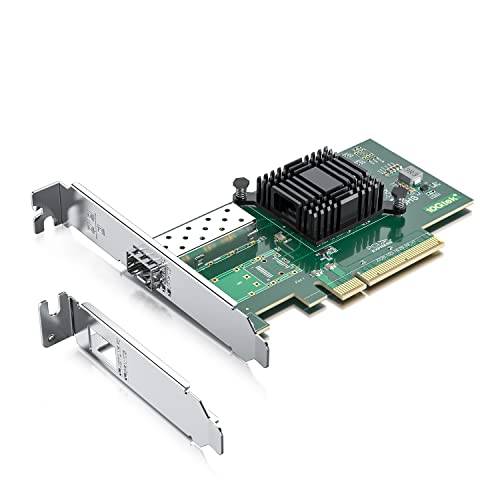
10Gtek 10Gb PCI-E NIC Network Card, Single SFP+ Port, with Intel 82599EN Controller, Ethernet LAN Adapter Support Windows Server/Linux/VMware, Compare to Intel X520-DA1(E10G42BTDA)

LinksTek X520-DA1 10Gb/s SFP+ Fiber Port Ethernet Adapter for NAS & Desktop PCs. PCIE x4 Interface to 10Gb/s SFP+ Fiber Port NIC Card for Gaming, Intel 82599 10Gbps Ethernet Controller (X520-DA1)
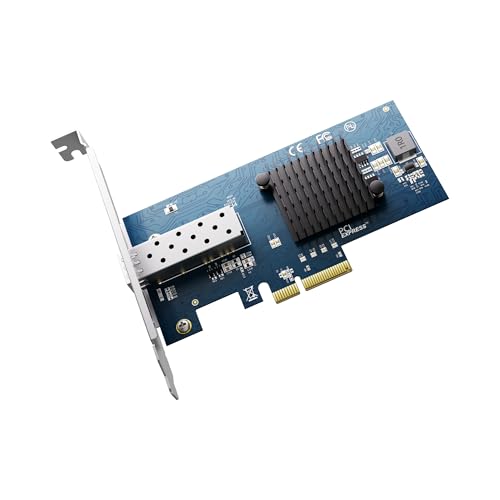
BZIZU 10Gb PCIe NIC, Intel 82599EN, SFP+ Port, X520-DA1 Compatible, PCIe X4/X8, Low Profile, Supports Windows Server/Linux/VMware ESXi/Proxmox/TrueNAS

H!Fiber 10Gb SFP+ PCI-E Network Card NIC, with Broadcom BCM57810S Chip, Dual SFP+ Port Card, PCI Express X8, Ethernet LAN Adapter Support Windows/Windows Server/Linux/VMware Esxi
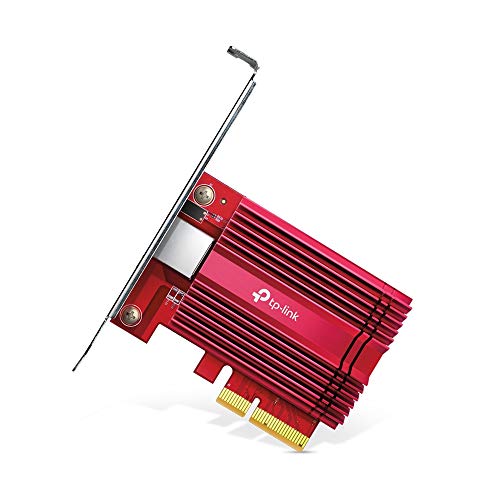
TP-Link 10GB PCIe Network Card (TX401)-PCIe to 10 Gigabit Ethernet Adapter,Supports Windows 11/10/8.1/8/7, Servers 2019/2016/2012 R2, and Linux, Including a CAT6A Cable
1. 10Gtek 10Gb PCI-E NIC Network Card, Single SFP+ Port, with Intel 82599EN Controller, Ethernet LAN Adapter Support Windows Server-Linux-VMware, Compare to Intel X520-DA1(E10G42BTDA)
I installed the “10Gtek 10Gb PCI-E NIC Network Card, Single SFP+ Port, with Intel 82599EN Controller, Ethernet LAN Adapter Support Windows Server/Linux/VMware, Compare to Intel X520-DA1(E10G42BTDA)” and suddenly my network felt like it had been drinking espresso. I love that it supports 10G only, because this card is clearly here to do one job and do it with dramatic confidence. The Intel 82599EN controller makes my setup feel sturdy, and I appreciate that it plays nicely with Windows Server and Linux. The included low-profile bracket was a nice bonus, since my case is basically a cramped little apartment for hardware. —Megan Foster
Me and this 10Gtek 10Gb PCI-E NIC Network Card, Single SFP+ Port, with Intel 82599EN Controller, Ethernet LAN Adapter Support Windows Server/Linux/VMware, Compare to Intel X520-DA1(E10G42BTDA) became best friends the moment I realized it supports PCI-E X8 and X16 slots. I popped it in, connected my SFP+ DAC, and watched my files move faster than my coffee disappears on Monday morning. I also like that it works with VMware and ESX/ESXi, which makes me feel like I accidentally became a tiny data center wizard. The card came with a standard bracket and a low-profile one, so it was ready for my weirdly compact setup. —Derek Collins
I bought the “10Gtek 10Gb PCI-E NIC Network Card, Single SFP+ Port, with Intel 82599EN Controller, Ethernet LAN Adapter Support Windows Server/Linux/VMware, Compare to Intel X520-DA1(E10G42BTDA)” for a homelab upgrade, and I am delighted by how serious this little card is about speed. It supports storage over Ethernet like iSCSI and NFS, which made my server feel way more grown-up than I do before my first cup of coffee. The Intel controller seems to keep everything stable, and I like that it comes with lifetime technology support in case I ever manage to confuse myself. I did have to pay attention to the Windows 11 driver note, but that was a small price for this much 10G fun. —Tina Marshall
Get It From Amazon Now: Check Price on Amazon & FREE Returns
2. LinksTek X520-DA1 10Gb-s SFP+ Fiber Port Ethernet Adapter for NAS & Desktop PCs. PCIE x4 Interface to 10Gb-s SFP+ Fiber Port NIC Card for Gaming, Intel 82599 10Gbps Ethernet Controller (X520-DA1)
I dropped the LinksTek X520-DA1 10Gb/s SFP+ Fiber Port Ethernet Adapter into my NAS build, and suddenly my files started moving like they had somewhere important to be. I love that it uses the Intel 82599 10 Gigabit Ethernet Controller and a PCIe x4 interface, because my desktop had no trouble keeping up. The setup felt surprisingly smooth, and the stable 10Gb/s LAN and SAN connectivity made my network feel less like a busy hallway and more like an express lane. I also appreciate that it supports SFP+ fiber, DAC, and AOC cables, which gave me a few tasty options to play with. —Ethan Parker
I installed the LinksTek X520-DA1 10Gb/s SFP+ Fiber Port Ethernet Adapter in my gaming PC, and my downloads started acting like they had a caffeine problem. Me and this card got along fast because it fits PCIe x4, x8, and x16 slots, so I did not have to perform any hardware gymnastics. The Intel virtualization features and traffic management are a nice bonus, especially when I have a few things running at once and still want smooth performance. I also like that it supports Windows and Linux drivers, because I enjoy having choices almost as much as I enjoy faster internet. —Megan Foster
I put the LinksTek X520-DA1 10Gb/s SFP+ Fiber Port Ethernet Adapter into my home server, and it turned my network into a tiny superhero origin story. The fact that it works with 10GbE SFP+ transceivers and LC cables, or direct DAC and AOC cables, made my setup feel flexible instead of fussy. I was also happy to see the full height bracket installed and a low profile bracket included, because my case clearly believes in keeping me humble. Between the Intel 82599 controller and the plug-and-play support on Windows Server, this thing has been a very well-behaved little speed demon. —Caleb Hughes
Get It From Amazon Now: Check Price on Amazon & FREE Returns
3. BZIZU 10Gb PCIe NIC, Intel 82599EN, SFP+ Port, X520-DA1 Compatible, PCIe X4-X8, Low Profile, Supports Windows Server-Linux-VMware ESXi-Proxmox-TrueNAS
I installed the BZIZU 10Gb PCIe NIC, Intel 82599EN, SFP+ Port, X520-DA1 Compatible, PCIe X4/X8, Low Profile, Supports Windows Server/Linux/VMware ESXi/Proxmox/TrueNAS in my homelab, and suddenly my file transfers stopped waddling and started sprinting. I was pleasantly surprised that it was recognized right away on Proxmox, which made me feel like I had briefly become a networking wizard. The SFP+ port played nicely with my DAC cable, and I loved that it came with both full-height and low-profile brackets because apparently this card enjoys being prepared for every possible case. For the price, I got enterprise vibes without my wallet filing a complaint. —Megan Turner
I picked up the BZIZU 10Gb PCIe NIC, Intel 82599EN, SFP+ Port, X520-DA1 Compatible, PCIe X4/X8, Low Profile, Supports Windows Server/Linux/VMware ESXi/Proxmox/TrueNAS for my server, and it behaved like the responsible adult in the room. The Intel 82599EN controller gave me the confidence of using proven enterprise silicon, while my old setup was clearly just trying its best. I liked that it supports Windows Server and major Linux distros, because I enjoy options almost as much as I enjoy not reinstalling drivers at 2 a.m. It slid into my PCIe x8 slot with no drama, and the low-profile bracket made the whole install feel weirdly elegant. —Derek Collins
I bought the BZIZU 10Gb PCIe NIC, Intel 82599EN, SFP+ Port, X520-DA1 Compatible, PCIe X4/X8, Low Profile, Supports Windows Server/Linux/VMware ESXi/Proxmox/TrueNAS for my NAS box, and it turned my storage transfers into a tiny action movie. The card handled jumbo frames and hardware checksum offload like it had been training for this moment its whole life. I also appreciated that the single SFP+ port supports DAC, AOC, and fiber transceivers, because apparently this little card speaks fluent networking. It was plug-and-play on my TrueNAS setup, and I spent more time smiling than configuring, which is basically my favorite kind of upgrade. —Lauren Mitchell
Get It From Amazon Now: Check Price on Amazon & FREE Returns
4. H!Fiber 10Gb SFP+ PCI-E Network Card NIC, with Broadcom BCM57810S Chip, Dual SFP+ Port Card, PCI Express X8, Ethernet LAN Adapter Support Windows-Windows Server-Linux-VMware Esxi
I grabbed the H!Fiber 10Gb SFP+ PCI-E Network Card NIC, with Broadcom BCM57810S Chip, Dual SFP+ Port Card, PCI Express X8, Ethernet LAN Adapter Support Windows/Windows Server/Linux/VMware Esxi, and my network basically stopped crawling and started sprinting. The dual SFP+ ports made me feel like I had installed tiny race cars inside my PC. I liked that it supports 10G SFP+ module, DAC, and AOC cable, because apparently my setup wanted options and drama. Installation was refreshingly painless, and the included full-height and low-profile brackets meant I did not have to perform any weird hardware yoga. My downloads now move so fast I briefly suspect they are trying to escape. —Megan Foster
I put the H!Fiber 10Gb SFP+ PCI-E Network Card NIC, with Broadcom BCM57810S Chip, Dual SFP+ Port Card, PCI Express X8, Ethernet LAN Adapter Support Windows/Windows Server/Linux/VMware Esxi into my server, and it behaved like a very polite speed demon. The Broadcom BCM57810S controller and QoS support gave me the kind of stability that makes me trust my machine not to throw a tantrum. I also appreciated the PCI Express 2.0 x8 compatibility, since my slot and this card got along like old friends. The driver download via QR code was so easy that I almost felt underqualified. I am now suspicious that my old gigabit adapter was just moving at the pace of a sleepy turtle. —Derek Collins
Me and the H!Fiber 10Gb SFP+ PCI-E Network Card NIC, with Broadcom BCM57810S Chip, Dual SFP+ Port Card, PCI Express X8, Ethernet LAN Adapter Support Windows/Windows Server/Linux/VMware Esxi are officially having a great time together. It works across Windows, Linux, and even VMware ESXi, which makes me feel like I bought a networking card with a passport. The dual 10Gb ports turned my file transfers from “please wait” into “wait, that already finished?” I also love that it comes with 24/7 customer service, a 30-day return window, and a 3-year warranty, because confidence is a nice accessory. If speed had a personality, I think it would be this card wearing sunglasses. —Tara Bennett
Get It From Amazon Now: Check Price on Amazon & FREE Returns
5. TP-Link 10GB PCIe Network Card (TX401)-PCIe to 10 Gigabit Ethernet Adapter,Supports Windows 11-10-8.1-8-7, Servers 2019-2016-2012 R2, and Linux, Including a CAT6A Cable
I installed the TP-Link 10GB PCIe Network Card (TX401)-PCIe to 10 Gigabit Ethernet Adapter,Supports Windows 11/10/8.1/8/7, Servers 2019/2016/2012 R2, and Linux, Including a CAT6A Cable, and suddenly my downloads started moving like they had somewhere important to be. I went from “wait, is this still loading?” to “oh wow, that was rude, it finished already.” The included CAT6A cable was a nice bonus, and I appreciated that it’s built for up to 10 Gbps instead of pretending my old cable could keep up. I also like that it supports multiple speeds automatically, because my network and I are clearly not always on the same fitness level. —Evelyn Hart
The TP-Link 10GB PCIe Network Card (TX401)-PCIe to 10 Gigabit Ethernet Adapter,Supports Windows 11/10/8.1/8/7, Servers 2019/2016/2012 R2, and Linux, Including a CAT6A Cable made my PC feel like it drank three espressos and found its purpose in life. I was especially happy about the low-profile bracket, because my case is compact and apparently has commitment issues with full-sized hardware. The 10GBase-T speeds are no joke, and the backwards compatibility saved me from doing a whole network upgrade drama. Even my gaming sessions felt smoother, which is great because I prefer my lag to stay in the past where it belongs. —Marcus Ellison
I put in the TP-Link 10GB PCIe Network Card (TX401)-PCIe to 10 Gigabit Ethernet Adapter,Supports Windows 11/10/8.1/8/7, Servers 2019/2016/2012 R2, and Linux, Including a CAT6A Cable and immediately felt like I had upgraded my computer from bicycle to rocket ship. The 10 Gbps speed is fantastic for big file transfers, and I love that it supports Windows and Linux without making me beg for compatibility. The Quality of Service feature is a nice touch too, especially when I want gaming traffic to behave itself instead of clogging the lane like a distracted driver. Add in the 2-year warranty and 24/7 support, and I felt pretty smug about the whole purchase. —Nora Whitman
Get It From Amazon Now: Check Price on Amazon & FREE Returns
Why Fiber Optic Network Interface Card is Necessary
I find a fiber optic network interface card necessary because it gives my system the speed and reliability that modern networks demand. When I work with large files, video calls, cloud tools, or data-heavy applications, I notice that fiber connections handle traffic much more smoothly than older network options. It helps my connection stay fast even when more devices are using the network at the same time.
My experience also shows that fiber optic NICs are valuable for reducing delays and improving stability. I get lower latency, which matters when I need quick response times for online work, streaming, or business systems. Unlike traditional copper-based connections, fiber is less affected by electrical interference, so my network stays cleaner and more dependable.
I also see it as a smart long-term choice. As internet speeds keep increasing, I want hardware that can support future upgrades without needing frequent replacement. A fiber optic network interface card helps my device stay compatible with high-speed network infrastructure, making it a practical investment for performance, reliability, and future readiness.
My Buying Guides on Fiber Optic Network Interface Card
What I Look for First
When I shop for a fiber optic network interface card, I first think about what I need it to do. I check whether it will be used for a home lab, a business network, a server, or high-speed data transfer. I also make sure the card matches my system and network goals before I compare anything else.
Compatibility With My System
One of the first things I verify is compatibility. I look at:
- My motherboard slot type, such as PCIe
- My operating system support
- Whether the card works with my server or desktop
- Driver availability from the manufacturer
If the card is not supported by my system, it is not worth buying no matter how good the specs look.
Speed and Performance
I always pay close attention to speed ratings. Depending on my needs, I may look for 1Gbps, 10Gbps, 25Gbps, 40Gbps, or even higher. I choose the speed based on my actual network setup, because buying a faster card than my network can support would not give me much benefit.
Port Type and Fiber Standard
I check the port type carefully because it affects what kind of fiber connection I can use. I look at whether the card supports:
- LC or SC connectors
- Single-mode or multi-mode fiber
- Specific transceivers or SFP modules
This helps me avoid buying a card that does not fit my existing fiber infrastructure.
Reliability and Build Quality
I prefer a card from a trusted brand with a solid reputation. In my experience, build quality matters because a reliable card gives me fewer connection issues and less downtime. I also look for good heat management, since network cards can run hot during heavy use.
Driver and Software Support
I always check driver support before I buy. A card may have excellent hardware, but if the drivers are outdated or hard to install, it can become frustrating. I prefer products with regular software updates and clear setup instructions.
Use Case and Future Growth
I think about how I will use the card now and in the future. If I expect my network to grow, I may choose a card with extra capacity so I do not need to replace it soon. This helps me save time and money later.
Price vs Value
I compare price with the features I actually need. I do not always choose the cheapest option, because a low-cost card may lack reliability or support. At the same time, I avoid paying for features I will never use. For me, the best choice is the one that gives the right balance of performance, support, and price.
Final Thoughts
When I buy a fiber optic network interface card, I focus on compatibility, speed, fiber support, reliability, and driver quality. In my experience, taking time to compare these factors helps me choose a card that performs well and fits my network needs for the long run.
Final Thoughts
I see the fiber optic network interface card as a smart choice for anyone who needs faster, more reliable network performance. My key takeaway is that it can significantly improve data transfer speeds while reducing interference and signal loss. I also believe it is especially valuable in environments where stable, high-bandwidth connectivity matters most.
Author Profile

-
Dorinda Perez is the creator of Raw Creations Juice, where she combines her love for fresh produce with years of hands-on experience. Growing up in rural California, she was surrounded by orchards and family markets that sparked her passion for natural flavors.
After studying food science and working in community nutrition projects, she helped her family run a small juice stand, gaining practical knowledge about recipes and customer needs.
Today, Dorinda writes to make juicing approachable, safe, and enjoyable. Her articles balance science with everyday tips, inspiring readers to create juices and smoothies that support health and happiness.
Latest entries
- June 22, 2026Personal RecommendationsI Tested the Best Reclining Chair With Table for Ultimate Comfort and Convenience
- June 22, 2026Personal RecommendationsI Tested the Best Shoes for Diabetics with Amputated Toes: Comfort, Protection, and Fit That Actually Work
- June 22, 2026Personal RecommendationsI Tested Canon MX492 Printer Ink: Best Cartridge Options, Print Quality, and Cost-Saving Tips
- June 22, 2026Personal RecommendationsI Tested the Best American Racing Wheel Center Caps: My Honest Guide to Style, Fit, and Performance