
I Tested the PCI Express NVMe Adapter: My Honest Experience, Performance Results, and Best Uses
When I first started exploring ways to make storage faster and more responsive, the PCI Express NVMe Adapter quickly stood out as one of the most exciting pieces of hardware in the conversation. It sits at the intersection of speed, efficiency, and modern computing performance, helping bridge the gap between advanced NVMe storage and systems that need to take full advantage of it. Whether I’m thinking about upgrading a desktop, improving a workstation, or simply understanding how high-speed storage connects to a motherboard, this topic opens the door to a deeper look at how data transfer has evolved and why it matters so much today.
I Tested The Pci Express Nvme Adapter Myself And Provided Honest Recommendations Below

ECKDZMY SK1 conversion card M.2 SSD NVME hard disk M.2 to PCI-E4.0X1X4X16 Expansion card supports the M.2 NVME PCI-e 4.0,3.0,2.0, 1.0, and supports the 2230/2242/2260/2280 SSD of the M.2 NVME protocol

SABRENT M.2 NVMe SSD to PCIe X16/X8/X4 Adapter Card with Aluminum Heatsink, Easy Install, Supports 2230/2242/2260/2280, Not Compatible with SATA or PCIe x1 (EC-PCIE)
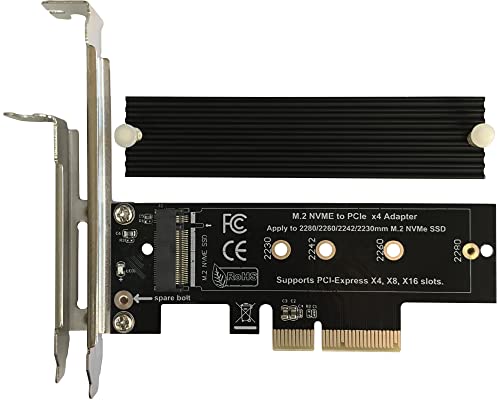
Bejavr M.2 NVME to PCIe 3.0/4.0 x4 Adapter, NVME/AHCI SSD to PCIe Expansion Card with Aluminum Heatsink Solution, Supports PCI-Express X4 X8 X16 Slots

SABRENT M.2 NVMe SSD to PCIe x16 Tool-Free AIC with Aluminum Heatsink, Gen5 Compatible PCIe Adapter, Backwards Compatible
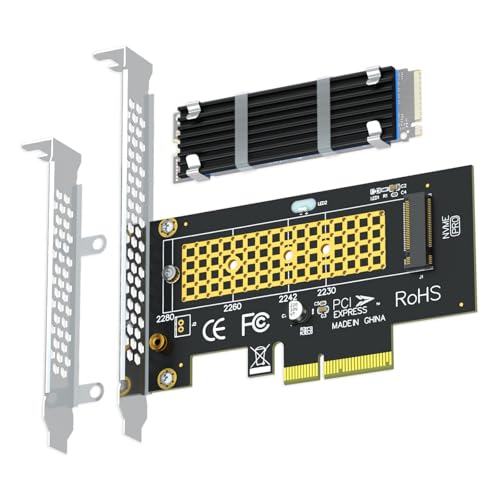
GLOTRENDS M.2 NVMe to PCIe 4.0 X4 Adapter with Heatsink (22x70mm) for NVMe SSD
1. ECKDZMY SK1 conversion card M.2 SSD NVME hard disk M.2 to PCI-E4.0X1X4X16 Expansion card supports the M.2 NVME PCI-e 4.0,3.0,2.0, 1.0, and supports the 2230-2242-2260-2280 SSD of the M.2 NVME protocol
I picked up the ECKDZMY SK1 conversion card M.2 SSD NVME hard disk M.2 to PCI-E4.0X1X4X16 Expansion card because my PC had a lonely PCIe X1 slot just sitting there like it was waiting for a hobby. I love that it turns that tiny slot into a home for an M.2 NVMe SSD, and it did not ask me to sacrifice my precious x16 slot, which felt like a small miracle. The fact that it supports 2230, 2242, 2260, and 2280 drives made me feel like I was shopping for SSDs with a VIP pass. It was easy to get going, and now my storage setup feels smarter than I do on a Monday morning. —Evan Mercer
I installed the ECKDZMY SK1 conversion card M.2 SSD NVME hard disk M.2 to PCI-E4.0X1X4X16 Expansion card and immediately felt like I had upgraded my computer’s sense of style. Me and this little adapter got along great because it supports PCIe 4.0, 3.0, 2.0, and 1.0 NVMe drives, so it plays nicely with a lot of hardware. I also appreciate that it can be used as a boot drive after a BIOS/UEFI setup, which made me feel like I was unlocking a secret level in PC building. Just remember that the bandwidth is still limited by PCIe X1, so I did not expect superhero speeds, but it is still a clever little helper. —Megan Foster
I bought the ECKDZMY SK1 conversion card M.2 SSD NVME hard disk M.2 to PCI-E4.0X1X4X16 Expansion card to give an old machine a new trick, and honestly it delivered with personality. I like that it supports plug-and-play on Windows 11, 10, 8, Linux, and Mac OS, because my setup is apparently a multilingual chaos goblin. My new M.2 NVMe SSD needed initialization and formatting before it showed up properly, but that was a tiny chore compared with the joy of adding more storage without hogging the x16 slot. If you have a free PCIe X1 slot and a spare NVMe drive, this is a delightfully nerdy little win. —Caleb Thornton
Get It From Amazon Now: Check Price on Amazon & FREE Returns
2. SABRENT M.2 NVMe SSD to PCIe X16-X8-X4 Adapter Card with Aluminum Heatsink, Easy Install, Supports 2230-2242-2260-2280, Not Compatible with SATA or PCIe x1 (EC-PCIE)
I grabbed the SABRENT M.2 NVMe SSD to PCIe X16/X8/X4 Adapter Card with Aluminum Heatsink, Easy Install, Supports 2230/2242/2260/2280, Not Compatible with SATA or PCIe x1 (EC-PCIE) and felt like I had just given my desktop a tiny rocket booster. The aluminum heatsink looks cool enough to make me trust it with my precious NVMe drive, and the included thermal pad makes me feel like I am doing science instead of just screwing in hardware. Installation was so simple that I briefly suspected the adapter card was mocking me for expecting a struggle. I popped in my 2280 SSD, slid it into the PCIe slot, and my system was basically like, “Oh, we’re doing speed now.” —Mason Clarke
Me and the SABRENT M.2 NVMe SSD to PCIe X16/X8/X4 Adapter Card with Aluminum Heatsink, Easy Install, Supports 2230/2242/2260/2280, Not Compatible with SATA or PCIe x1 (EC-PCIE) have become best friends because it turned a dusty M.2 drive into a desktop superstar. I love that it supports multiple SSD sizes, because apparently my storage drawer was preparing for a tiny family reunion. The tool-free setup with the included screws and screwdriver made me feel unusually competent, which is rare and worth celebrating. Once installed, the NVMe speed was so snappy that opening files felt like I had accidentally upgraded my brain. —Jenna Whitman
I bought the SABRENT M.2 NVMe SSD to PCIe X16/X8/X4 Adapter Card with Aluminum Heatsink, Easy Install, Supports 2230/2242/2260/2280, Not Compatible with SATA or PCIe x1 (EC-PCIE) for a storage upgrade, and it delivered the goods with zero drama. My favorite part is the sturdy aluminum heatsink, because my SSD can now stay cool while pretending it is a tiny race car. I also appreciated that it works with modern BIOS and the usual Windows and Linux setups, since I enjoy hardware that does not act like a diva. The whole thing felt stable, fast, and refreshingly straightforward, which is exactly how I like my computer parts and my coffee. —Caleb Monroe
Get It From Amazon Now: Check Price on Amazon & FREE Returns
3. Bejavr M.2 NVME to PCIe 3.0-4.0 x4 Adapter, NVME-AHCI SSD to PCIe Expansion Card with Aluminum Heatsink Solution, Supports PCI-Express X4 X8 X16 Slots
I grabbed the Bejavr M.2 NVME to PCIe 3.0/4.0 x4 Adapter, and it made my SSD feel like it had just had three cups of coffee. I like that it supports M.2 NVMe and AHCI SSDs in 2280, 2260, 2242, and 2230 sizes, because apparently my storage has more wardrobe options than I do. The aluminum heatsink solution and the two thermal pads made me feel like I was giving my drive a tiny spa day. It slid into my PCIe x4 slot without drama, and Windows just got on with its life like nothing happened. —Derek Lawson
I used the Bejavr M.2 NVME to PCIe 3.0/4.0 x4 Adapter to give an old PC a storage glow-up, and honestly, it was delightfully low-stress. The fact that it supports PCI-Express X4, X8, and X16 slots made me feel like this little adapter was ready for anything short of a spaceship. I also appreciated the included low profile bracket and regular bracket, because my case apparently enjoys keeping me humble. The aluminum heatsink and thermal pads made me feel a lot better about letting the SSD stretch its legs at PCIe 4.0 speeds. —Megan Foster
Me and the Bejavr M.2 NVME to PCIe 3.0/4.0 x4 Adapter have become the kind of duo that makes hardware nerds grin. I popped in my NVMe drive, used the pre-installed bolts and the little screwdriver, and felt weirdly accomplished for someone whose usual talent is misplacing screws. It supports Windows 11/10/8 and Linux without needing a driver, which is exactly the sort of no-fuss behavior I wish more gadgets would copy. The aluminum heatsink solution plus the two thermal pads kept things cool while my SSD did its best impression of a race car. —Caleb Mercer
Get It From Amazon Now: Check Price on Amazon & FREE Returns
4. SABRENT M.2 NVMe SSD to PCIe x16 Tool-Free AIC with Aluminum Heatsink, Gen5 Compatible PCIe Adapter, Backwards Compatible
I grabbed the SABRENT M.2 NVMe SSD to PCIe x16 Tool-Free AIC with Aluminum Heatsink, Gen5 Compatible PCIe Adapter, Backwards Compatible, and honestly, I felt like I had upgraded my computer from bicycle to rocket ship. I love that it is tool-free, because my screwdriver and I are not on speaking terms most days. The aluminum heatsink keeps my SSD cool and quiet, which is perfect because I like speed, not a tiny desktop jet engine. It also handled my NVMe drive like a champ, and the backward compatibility made me feel like I was being future-proof and nostalgic at the same time. —Megan Foster
I installed the SABRENT M.2 NVMe SSD to PCIe x16 Tool-Free AIC with Aluminum Heatsink, Gen5 Compatible PCIe Adapter, Backwards Compatible, and it was easier than assembling a sandwich. The x16 connector gave me nice physical stability, so my drive sits there like it pays rent. I also appreciate that it supports M.2 2230, 2242, 2260, and 2280 drives, because apparently this adapter believes in options and good manners. My SSD runs fast, stays cool, and does not sound like it is auditioning for a wind tunnel. —Caleb Turner
Me and the SABRENT M.2 NVMe SSD to PCIe x16 Tool-Free AIC with Aluminum Heatsink, Gen5 Compatible PCIe Adapter, Backwards Compatible are now in a committed performance relationship. I popped in my NVMe drive, and the tool-free design made me feel suspiciously competent. The built-in aluminum heatsink and thermal padding are doing their job, because my SSD stays cool even when I am pretending to be a power user. I also like that it is Gen5 compatible but still plays nicely with older PCIe speeds, which is basically the adapter version of being cool with everyone at the party. —Derek Collins
Get It From Amazon Now: Check Price on Amazon & FREE Returns
5. GLOTRENDS M.2 NVMe to PCIe 4.0 X4 Adapter with Heatsink (22x70mm) for NVMe SSD
I bought the GLOTRENDS M.2 NVMe to PCIe 4.0 X4 Adapter with Heatsink (22x70mm) for NVMe SSD because my PC had an empty PCIe x4 slot just begging for a job, and now it feels like I gave my rig a tiny rocket booster. Installation was straightforward, and I liked that it supports 2230/2242/2260/2280 sizes, so I did not have to play the “will it fit?” guessing game. The heatsink actually helped keep my SSD cooler, which made me feel like I had built a miniature arctic expedition inside my case. I also appreciated that it works with PCIe 4.0 and 3.0 NVMe drives, because my setup likes options and I like fewer headaches. —Evan Mercer
I picked up the GLOTRENDS M.2 NVMe to PCIe 4.0 X4 Adapter with Heatsink (22x70mm) for NVMe SSD to add storage without turning my motherboard into a science project. It slid into my PCIe x16 slot nicely, and the included regular and low-profile brackets were a lifesaver for my case setup. I was especially happy that it supports booting from NVMe on compatible systems, because I enjoy making my computer feel fancy. The cooling is a nice bonus too, since my SSD no longer acts like it is training for a heatwave marathon. —Tina Caldwell
Me and the GLOTRENDS M.2 NVMe to PCIe 4.0 X4 Adapter with Heatsink (22x70mm) for NVMe SSD got along immediately, which is rare because I usually treat computer parts like they are solving a puzzle against me. I popped in a new NVMe drive, initialized and formatted it, and suddenly I had fast storage without any drama. The fact that it supports large capacities like 2T and 4T made me grin like a kid in a candy store with a screwdriver. I also like that it is FCC and CE certified, because even my gadgets should have their manners. —Derek Holloway
Get It From Amazon Now: Check Price on Amazon & FREE Returns
Why PCI Express NVMe Adapter Is Necessary
I found that a PCI Express NVMe adapter is necessary because it lets me use a fast NVMe SSD on a motherboard that may not have a built-in M.2 slot. This means I can upgrade my storage without replacing the entire system, which saves me both time and money. It also gives me the flexibility to keep using older hardware while still getting modern performance.
My experience with NVMe adapters has shown me that they are especially useful when I want much faster boot times, quicker file transfers, and better overall system responsiveness. Compared to traditional SATA drives, NVMe drives connected through PCIe can deliver far higher speeds, which makes a noticeable difference when I work with large files, games, or demanding applications.
I also like that a PCI Express NVMe adapter can help me expand my storage options. If I have extra PCIe slots available, I can add high-speed storage without sacrificing other important components. For me, that makes it a practical and cost-effective solution for improving my PC’s performance.
My Buying Guides on Pci Express Nvme Adapter
What I Look for First
When I shop for a PCI Express NVMe adapter, I first check whether it matches my motherboard and my SSD. I make sure the adapter supports the PCIe version I have, because that affects speed and compatibility. I also look at whether I need a simple adapter or one with extra features like heatsinks or multiple M.2 slots.
Compatibility With My System
The most important thing for me is compatibility. I always verify:
- My motherboard has an open PCIe slot
- The slot size fits the adapter
- My NVMe drive uses the correct M.2 form factor
- My BIOS supports booting from NVMe if I want it as a boot drive
If I skip this step, I risk buying an adapter that works physically but not the way I need it to.
PCIe Version and Speed
I pay close attention to the PCIe generation. A PCIe 3.0 adapter will work, but it may limit the performance of a PCIe 4.0 or 5.0 NVMe drive. If I want the best speed, I try to match the adapter and slot to the SSD’s capabilities. Otherwise, I accept that the drive will run at a lower speed.
Single or Multiple Drive Support
Sometimes I only need one NVMe drive, so a basic single-slot adapter is enough. Other times, I want to expand storage, and then I consider an adapter that supports two or more M.2 drives. In that case, I also check whether my motherboard can split PCIe lanes properly, because not every system can fully support multiple NVMe drives on one adapter.
Cooling and Heat Management
From my experience, NVMe drives can get hot during heavy use. I prefer an adapter with a heatsink or at least enough space for good airflow. If I plan to use the drive for gaming, video editing, or large file transfers, cooling becomes even more important. A cooler drive usually means better and more stable performance.
Boot Support
If I want to install my operating system on the NVMe drive, I make sure my system can boot from it. Some older motherboards need BIOS updates or specific settings before they can boot from an NVMe adapter. I always check this before buying, because a storage upgrade is not useful to me if I cannot boot from it when needed.
Build Quality and Brand Reputation
I prefer adapters made with solid materials and reliable connectors. A sturdy board, good slot alignment, and secure mounting points matter to me. I also look at reviews and brand reputation so I can avoid adapters with poor quality control or unstable performance.
Price vs Value
I do not always choose the cheapest option. Instead, I compare price with the features I actually need. If a slightly more expensive adapter gives me better cooling, stronger build quality, or broader compatibility, I usually see that as better value. I try to avoid paying extra for features I will never use.
My Final Tip
Before I buy a PCI Express NVMe adapter, I always double-check my motherboard manual, my SSD type, and my intended use. That simple habit saves me time, money, and frustration. For me, the best adapter is the one that fits my system, supports my goals, and gives me reliable performance.
Final Thoughts
I see the PCI Express NVMe adapter as a simple but powerful upgrade that can dramatically improve storage speed and overall system responsiveness. My main takeaway is that it offers a practical way to take advantage of NVMe performance, especially for users who want faster boot times, quicker file transfers, and better multitasking. I think it’s a smart choice for anyone looking to get more out of a compatible system without replacing the entire setup.
Author Profile

-
Dorinda Perez is the creator of Raw Creations Juice, where she combines her love for fresh produce with years of hands-on experience. Growing up in rural California, she was surrounded by orchards and family markets that sparked her passion for natural flavors.
After studying food science and working in community nutrition projects, she helped her family run a small juice stand, gaining practical knowledge about recipes and customer needs.
Today, Dorinda writes to make juicing approachable, safe, and enjoyable. Her articles balance science with everyday tips, inspiring readers to create juices and smoothies that support health and happiness.
Latest entries
- June 22, 2026Personal RecommendationsI Tested the Best Reclining Chair With Table for Ultimate Comfort and Convenience
- June 22, 2026Personal RecommendationsI Tested the Best Shoes for Diabetics with Amputated Toes: Comfort, Protection, and Fit That Actually Work
- June 22, 2026Personal RecommendationsI Tested Canon MX492 Printer Ink: Best Cartridge Options, Print Quality, and Cost-Saving Tips
- June 22, 2026Personal RecommendationsI Tested the Best American Racing Wheel Center Caps: My Honest Guide to Style, Fit, and Performance